How Predictive Technology Reduces HVAC Breakdowns by 55%
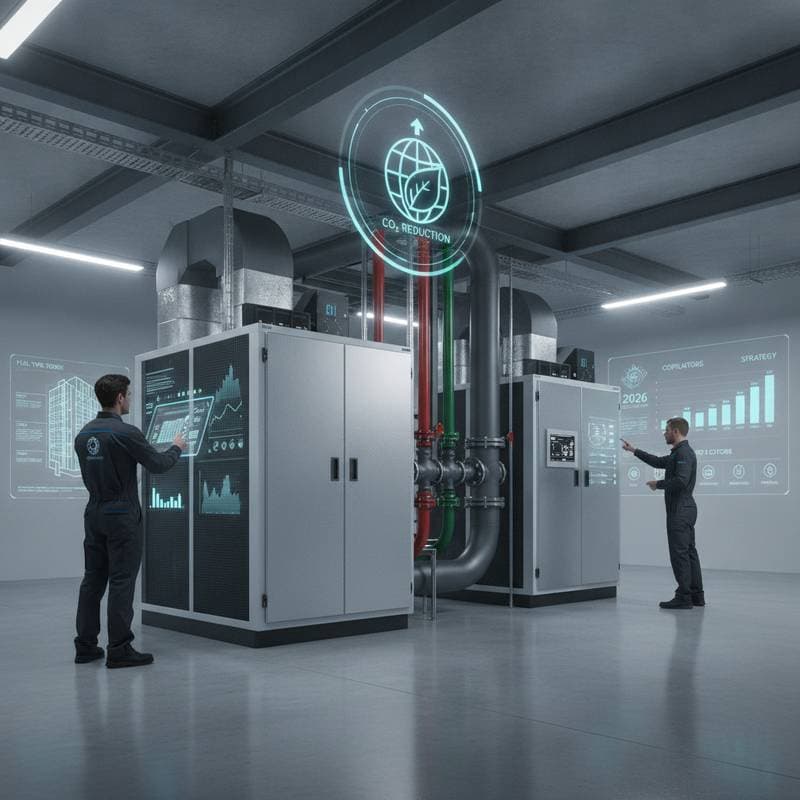
HVAC systems evolve with advancements in intelligence, and predictive technology stands at the forefront of minimizing failures and expensive repairs. Advanced sensors, data analytics, and machine learning enable predictive maintenance to decrease system breakdowns by up to 55% relative to conventional approaches. Homeowners and service providers identify issues early, avoid disruptions, and prolong equipment durability.
This article details the mechanics of predictive maintenance, the enabling technologies, and advantages for homeowners and professionals. Readers gain insights into success determinants and initial implementation steps for predictive HVAC solutions.
Mechanisms of Predictive Technology in Preventing HVAC Breakdowns
Predictive HVAC technology operates through three essential components: sensors, data analytics, and automated notifications.
Smart Sensors for Continuous Monitoring
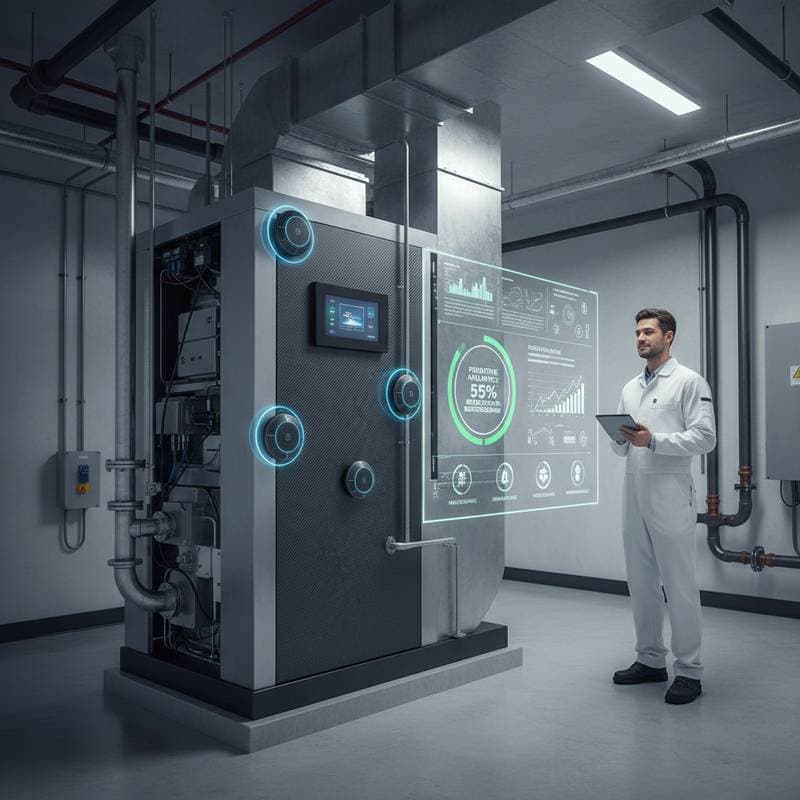
Sensors provide nonstop surveillance of key performance metrics. For instance, vibration sensors on blower motors signal imbalances prior to full mechanical breakdown. Temperature sensors reveal airflow blockages or refrigerant anomalies, allowing intervention before escalation.
Installation involves placing sensors at critical points, such as compressors, coils, and ducts. These devices transmit real-time data to central processing units, ensuring comprehensive oversight without manual checks.
Data Analysis for Pattern Detection
Algorithms process gathered data to recognize patterns associated with degradation or suboptimal performance. Systems establish baselines for normal function and flag deviations that indicate emerging faults.
Machine learning refines these models over time, incorporating historical data from similar units. This adaptability improves accuracy, distinguishing routine variations from critical alerts.
Automated Notifications and Scheduled Interventions
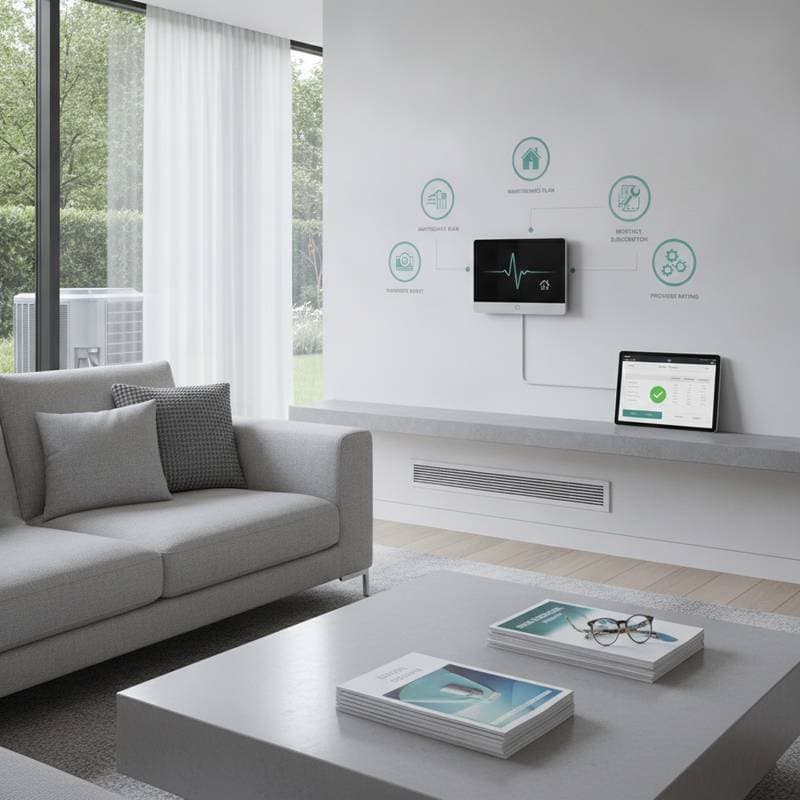
Upon detecting anomalies, systems issue targeted alerts to maintenance teams. Scheduling occurs proactively, with details on required parts and procedures to streamline repairs.
This process reduces on-site diagnostic time and prevents unnecessary visits. Technicians arrive prepared, enhancing overall service efficiency.
Costs and Return on Investment for Predictive Maintenance
Initial outlays for predictive systems exist, yet sustained financial gains prove substantial. Expenses depend on scale, sensor quantity, and analytical depth.
| System Type | Average Setup Cost | Typical ROI Period | Key Benefit |
|---|---|---|---|
| Residential HVAC | $300 – $800 | 6–12 months | Fewer emergency interventions |
| Light Commercial | $800 – $1,500 | 8–16 months | Decreased energy consumption |
| Large Commercial | $1,500 – $3,000 | 12–24 months | Prolonged asset usability |
Residential users frequently recover investments within the initial year through diminished service demands and utility reductions. Commercial applications yield broader efficiencies, including optimized operations across multiple units.
Essential Factors for Effective Predictive HVAC Implementation
Sensor Quality Standards
Reliable data hinges on superior sensors capable of capturing minute variations. Inferior components risk overlooking subtle shifts, compromising predictive reliability.
Select sensors certified for HVAC environments, resistant to dust, humidity, and temperature extremes. Regular vendor evaluations ensure ongoing performance.
Seamless Data Integration
Optimal outcomes arise from merging sensor inputs with current HVAC interfaces or facility management platforms. This unification provides holistic views of system health.
Integration protocols, such as API connections, facilitate data flow. Professionals verify compatibility during setup to avoid silos.
Role of Skilled Technicians
Tools amplify effectiveness alongside proficient interpreters of analytics. Trained personnel translate insights into precise actions, maximizing preventive value.
Ongoing education in data interpretation proves vital. Certifications in predictive diagnostics equip teams for advanced applications.
Importance of Periodic Calibration
Sensors require seasonal recalibration to sustain precision. Oversight leads to erroneous data, potentially masking or fabricating issues.
Calibration involves benchmark testing against known standards. Documented schedules prevent lapses, upholding system integrity.
Benefits of Cloud Connectivity
Remote access via cloud platforms enables instant data review for owners and service providers. This feature accelerates responses and coordination.
Secure connections protect sensitive information. Scalable cloud solutions accommodate growth, from single units to enterprise networks.
Frequently Asked Questions on Predictive HVAC Maintenance
Frequency of System Reviews
Predictive automation handles daily surveillance, yet seasonal technician evaluations confirm sensor precision and component cleanliness. These checks occur biannually in variable climates.
Relation to Conventional Servicing
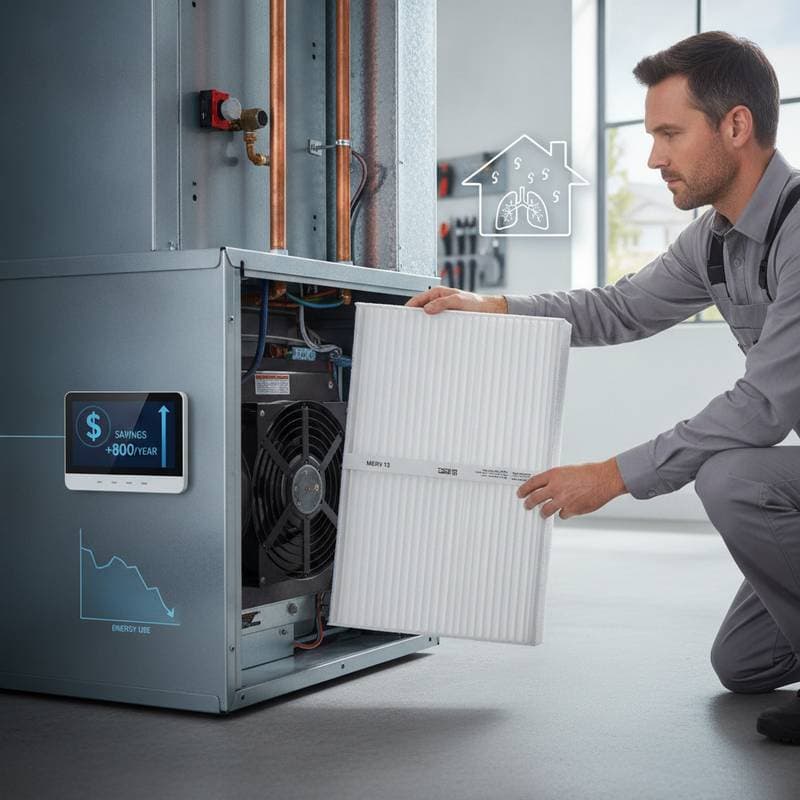
Predictive methods enhance rather than supplant standard procedures. Monitoring pinpoints risks, while physical tasks like filter replacements maintain baseline functionality.
Compatibility with Legacy Systems
Retrofitting applies to many older installations, though data granularity and connectivity lag behind modern equivalents. Assessments determine feasible upgrades.
Response to Sensor Malfunctions
Integrated diagnostics identify failures promptly, triggering replacement notifications. Redundant sensors in critical areas mitigate single-point vulnerabilities.
Steps to Implement Predictive HVAC Solutions
Essential Pre-Installation Inquiries
-
Which sensor varieties does the system employ, and what are their placement locations?
-
Does integration occur with current HVAC or building controls?
-
What review and reporting cadence applies to the data?
-
How do projected savings compare to routine maintenance expenses?
-
In what manner are alerts transmitted, and to whom?
-
Does a warranty or support framework cover the equipment?
-
Is expansion possible to adjacent systems, such as lighting or air handling?
Practical Onboarding Process
Begin with a professional audit of existing HVAC infrastructure to pinpoint monitoring priorities. Select providers offering customizable packages aligned with usage patterns.
Post-installation, conduct training sessions for household or facility staff on alert interpretation. Monitor initial outputs to refine thresholds, ensuring tailored performance.
Long-Term Optimization Strategies
Track metrics like alert frequency and resolution times to gauge effectiveness. Annual reviews adjust configurations based on evolving needs, sustaining peak benefits.
Integration with energy management tools amplifies savings. This holistic approach transforms HVAC operations into resilient, cost-effective assets.
Realizing Sustained Benefits from Predictive HVAC Adoption
Adopting predictive technology shifts HVAC management from reactive fixes to strategic foresight. Reductions in breakdowns translate to uninterrupted comfort and financial predictability.
Homeowners enjoy quieter operations and lower bills, while businesses minimize downtime impacts. As systems mature, predictive insights evolve, fostering innovation in maintenance practices.
Commitment to this technology positions users ahead of industry trends, ensuring durable, efficient environments through 2026 and beyond.