8 Spring Tasks to Bulletproof Your AC for Summer
Preparing Your AC for Peak Performance
As temperatures rise, your air conditioner serves as a critical component of home comfort. Spring offers an optimal window to ready the system for intense summer operation. Regular maintenance during this season helps avert failures, reduces energy expenses, and prolongs equipment durability. The eight tasks outlined below establish a robust defense for consistent cooling throughout the warmer months.
1. Clean or Replace Air Filters
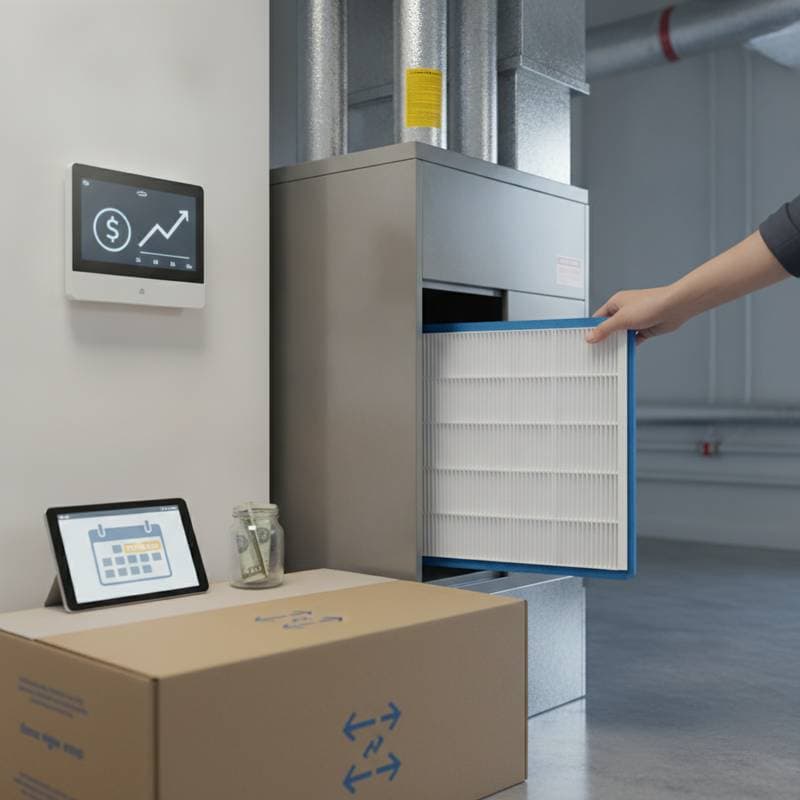
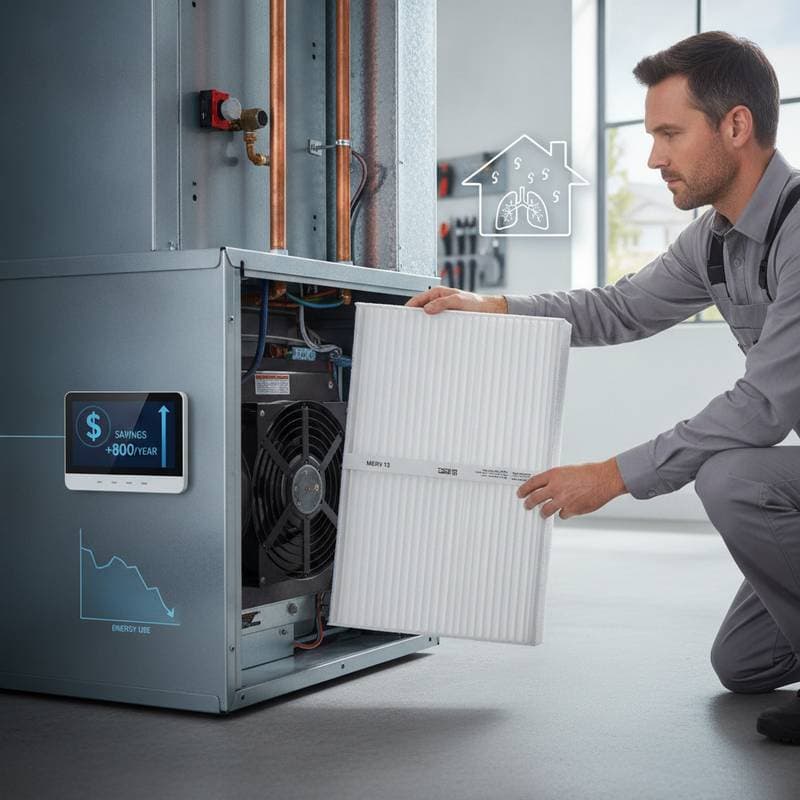
Air filters capture dust, pollen, and other particles to maintain indoor air quality and protect system components. Clogged filters restrict airflow, force the blower to work harder, and increase energy use. Inspect filters monthly during spring; if they appear dirty, remove them and vacuum or wash reusable types according to manufacturer guidelines. For disposable filters, install fresh ones rated MERV 8 or higher to optimize filtration without impeding performance. This simple step enhances efficiency and supports overall system health.
2. Inspect and Clean the Outdoor Condenser Unit
The outdoor condenser accumulates leaves, dirt, and debris over winter, which obstructs airflow and impairs heat dissipation. Such buildup compels the unit to operate less effectively, raising operational costs. Disconnect power to the unit before clearing visible obstructions by hand, then rinse the coils gently with a hose, avoiding high-pressure sprays that could bend delicate fins. Maintain a clearance of at least two feet around the unit by pruning nearby plants. Professional assistance proves beneficial for thorough cleaning or fin straightening to prevent component damage.
3. Examine Ductwork for Leaks and Damage
Duct systems deliver cooled air to living spaces, but leaks or damage diminish efficiency and cause hot spots. Inspect accessible ducts in attics, basements, or crawl spaces for tears, loose connections, or insulation gaps. Seal minor leaks with mastic sealant or foil tape, ensuring connections remain secure. If extensive issues appear, consult an HVAC specialist to assess and repair, as proper duct integrity ensures even cooling distribution and minimizes energy loss.
4. Clear and Inspect Air Vents and Registers
Obstructed vents disrupt airflow patterns, leading to inconsistent temperatures and added stress on the system. Survey every room to confirm vents and registers remain unobstructed by furniture, rugs, or accumulated dust. Open all vents fully and vacuum grilles along with surrounding surfaces to eliminate buildup. This practice promotes balanced air circulation, eases the load on the blower motor, and contributes to uniform cooling across the home.
5. Verify Thermostat Functionality and Settings
The thermostat regulates system cycles, and inaccuracies can result in overworking or undercooling. Check batteries in programmable models and replace them if low; calibrate manual thermostats against a reliable thermometer for precision. Set the thermostat to a moderate temperature during spring tests to simulate usage without excess strain. Accurate thermostat operation prevents unnecessary runtime, conserves energy, and maintains desired comfort levels.
6. Test the System Early
Delaying a system check until summer heat arrives risks discomfort during peak demand. Activate the air conditioner for a complete cycle in spring to monitor for odd sounds, reduced airflow, or air that fails to cool adequately. Listen for rattles or hums that signal loose parts, and measure vent temperatures to ensure a 15 to 20-degree drop from intake air. Address any irregularities promptly by engaging a qualified technician, allowing ample time for corrections before heavy reliance begins.
7. Schedule a Professional Tune-Up
While DIY efforts cover basics, expert evaluation uncovers subtle issues like refrigerant levels or electrical connections. Contact a licensed HVAC professional for an annual inspection that includes coil cleaning, lubrication of moving parts, and performance verification. This service identifies potential problems early, adjusts settings for optimal operation, and often includes a warranty on findings. Investing in a tune-up safeguards reliability and can qualify for manufacturer maintenance requirements.
8. Check the Drain Line and Condensate Pan
The drain line expels condensation from the evaporator coil, preventing water accumulation that leads to leaks or mold growth. Clogs from algae or debris cause overflows, risking structural damage. Locate the line near the indoor unit and flush it with a solution of one cup white vinegar in a gallon of water, or use a mild bleach mixture if needed; follow with a thorough rinse. Inspect and clean the condensate pan beneath the coil, wiping away residue to ensure free drainage. Maintaining this pathway avoids humidity problems and sustains efficient dehumidification.
Sustaining Efficiency Through Seasonal Care
Addressing these spring tasks fortifies your air conditioning system against summer challenges. Each action contributes to smoother operation, reduced repair needs, and appreciable savings on energy bills. Dedicate time now to these preparations, securing reliable comfort when heat intensifies most.