How MERV 13 Filters Can Restrict Airflow in Your HVAC System
Homeowners often notice their HVAC systems operating with unusual effort or delivering insufficient airflow from vents. A common cause involves the installation of high-efficiency filters such as MERV 13, which prioritize air quality improvements. However, these filters may impose excessive resistance on systems not engineered for such density, leading to diminished performance and potential long-term issues.
Understanding the mechanics of MERV ratings empowers you to make informed choices. This article examines the effects of MERV 13 filters on residential HVAC units, identifies symptoms of airflow restriction, and outlines steps to select compatible options. By addressing these factors, you safeguard both indoor comfort and equipment durability.
Understanding MERV Ratings and Filter Efficiency
MERV represents Minimum Efficiency Reporting Value, a standardized metric developed by the American Society of Heating, Refrigerating and Air-Conditioning Engineers. This scale evaluates a filter's ability to capture particles ranging from large debris to microscopic contaminants, with ratings spanning 1 to 20. Higher ratings indicate greater capture efficiency for finer particles, including dust mites, mold spores, and certain viruses.
A MERV 13 filter excels at trapping particles as small as 0.3 to 1.0 microns, making it suitable for environments requiring stringent air purification. The filter achieves this through a thicker, more pleated media that increases surface area for particle adhesion. Yet, this design inherently elevates static pressure, or resistance to airflow, which standard residential blowers may struggle to overcome without modifications.
For context, typical household dust measures around 5 microns, while pollen ranges from 10 to 100 microns. MERV 13 filters address these and smaller threats effectively, but their use demands verification of your system's airflow capacity, often specified in the manufacturer's documentation as maximum allowable static pressure.
The Impact of Restricted Airflow from Dense Filters
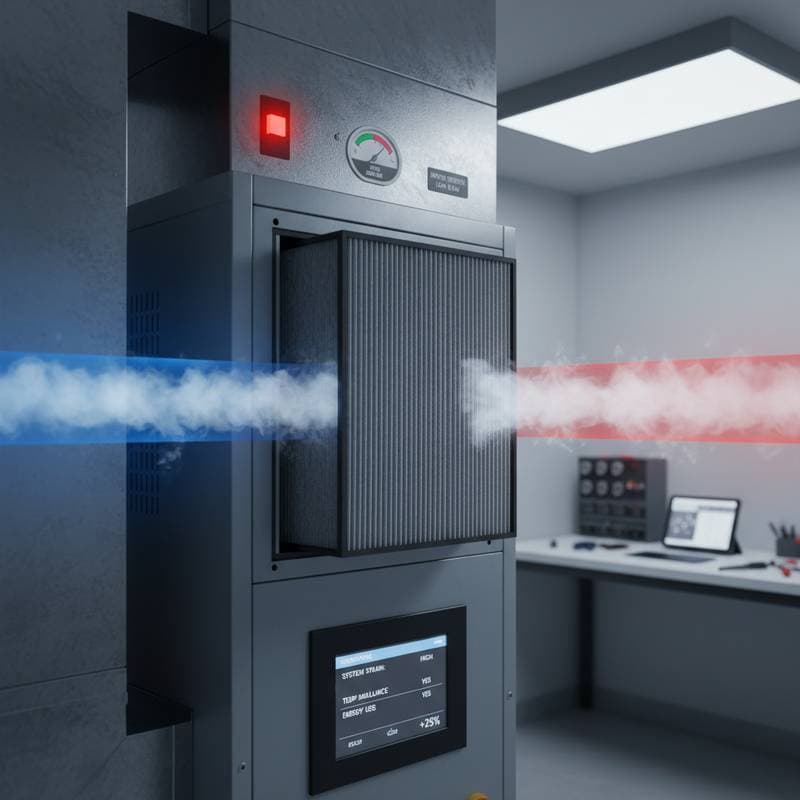
HVAC systems rely on unobstructed airflow to distribute conditioned air evenly throughout your home. When a MERV 13 filter introduces significant resistance, the blower fan compensates by operating at higher speeds, consuming additional energy in the process. Over time, this adjustment not only inflates utility bills but also accelerates component fatigue.
Specific consequences include uneven temperature distribution, where certain rooms receive inadequate heating or cooling. The evaporator coil in air conditioning units may accumulate frost due to insufficient warm air passage, triggering safety shutdowns. Similarly, furnaces risk overheating from reduced exhaust flow, heightening the danger of component failure.
To quantify the strain, consider that a standard filter maintains static pressure below 0.25 inches of water column, while MERV 13 can exceed 0.5 inches. Systems rated for lower pressure thresholds experience up to 20 percent efficiency loss, according to industry benchmarks. Proactive assessment prevents these outcomes and preserves warranty coverage.
Recognizing Symptoms of Airflow Restriction
Early detection of airflow issues allows for timely intervention, minimizing repair costs. One primary indicator involves diminished output from supply vents, where air velocity feels noticeably weaker than before filter replacement. Accompanying this, your thermostat may register prolonged run times as the system labors to achieve set temperatures.
Energy consumption spikes provide another clue, with monthly bills rising without changes in usage patterns. Auditory cues, such as straining or rattling from the blower compartment, signal mechanical stress. Visual inspections might reveal frost on cooling coils or dust accumulation around return vents, both hallmarks of imbalance.
If symptoms persist after cleaning the filter, evaluate the MERV rating against your unit's specifications. Temporary removal for testing can confirm the filter's role, but consult a professional for comprehensive diagnostics to rule out ductwork or motor problems.
Selecting an Appropriate MERV Rating for Residential Use
Filter selection hinges on balancing air quality needs with system capabilities. For general household maintenance, MERV 6 to 8 ratings suffice, capturing larger particles like pet hair and textile fibers while permitting full airflow. These options suit homes without specialized health concerns, ensuring energy efficiency remains intact.
Households with moderate allergens, such as seasonal pollen or light pet presence, benefit from MERV 9 to 12. These provide enhanced filtration for particles down to 1 micron without overwhelming most standard systems. Verify compatibility by reviewing your HVAC model's airflow chart, which details acceptable pressure drops.
Reserve MERV 13 or higher for scenarios demanding hospital-grade purification, like immunocompromised residents or heavy smoking environments. Upgrading requires professional evaluation, potentially including blower motor enhancements or larger filter housings. Always prioritize filters certified by organizations like ASHRAE for reliable performance data.
Performing Filter Maintenance and Replacement
Regular filter care forms the cornerstone of HVAC longevity. Schedule inspections monthly, especially during peak seasons, to assess clogging from environmental factors like construction dust or high humidity. High-MERV filters accumulate debris faster due to their fine mesh, necessitating more frequent changes.
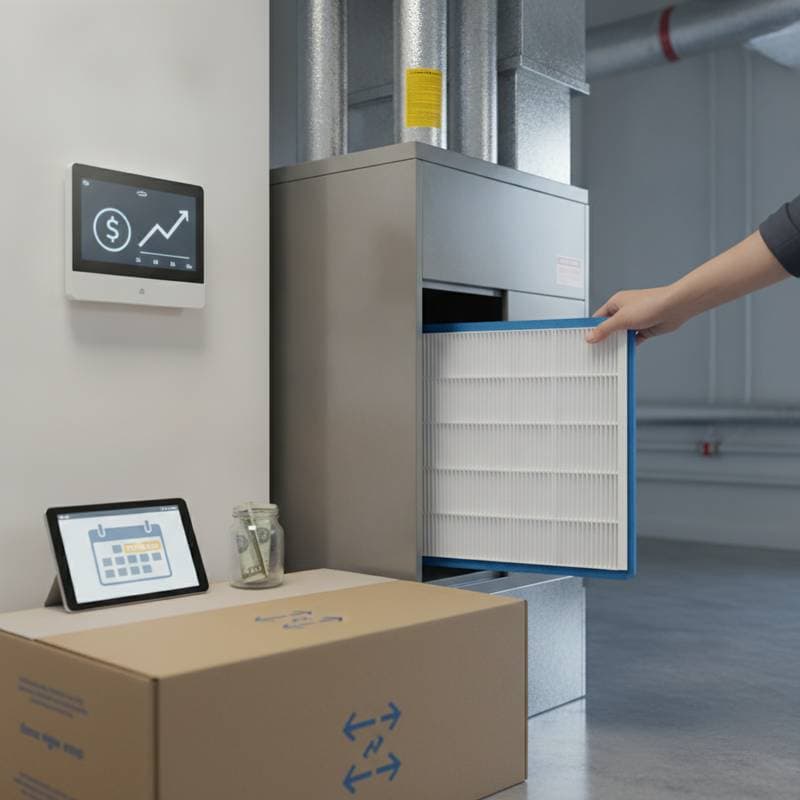
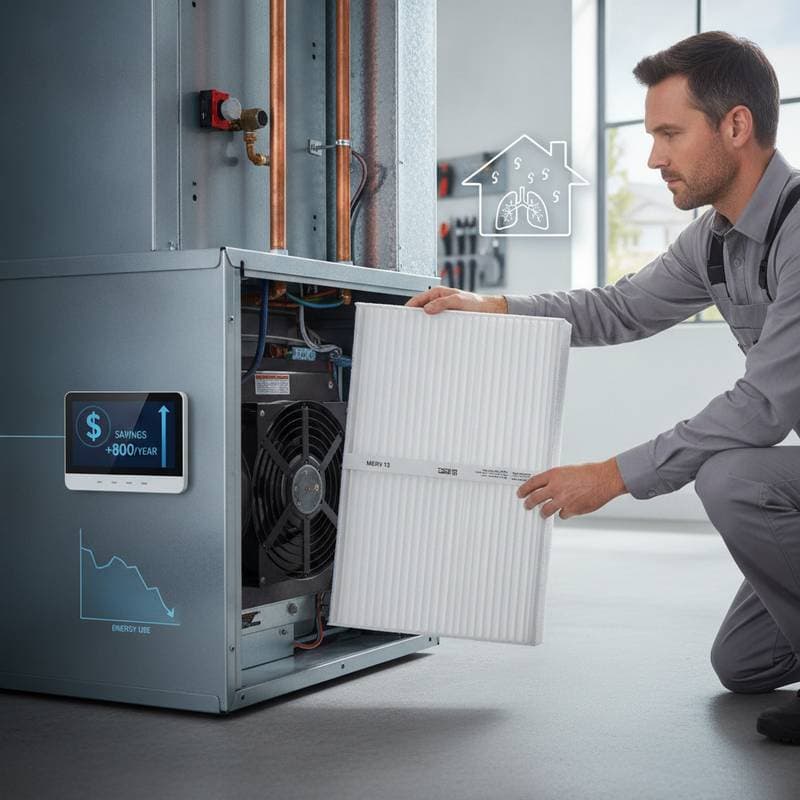
For DIY replacement, first power down the system at the thermostat and breaker to ensure safety. Access the filter slot, typically adjacent to the air handler or furnace, and note the dimensions on the existing frame for accurate sizing. Align the new filter's directional arrow with airflow, usually pointing toward the blower, to optimize capture efficiency.
While DIY suits routine tasks, hire a certified technician for initial assessments or complex installations. Professionals can measure static pressure with manometers, recommend custom solutions, and address underlying issues like dirty coils or leaky ducts. This approach extends system life and avoids voiding manufacturer warranties.
Frequently Asked Questions
What does MERV indicate on an air filter?
MERV denotes Minimum Efficiency Reporting Value, a rating system that quantifies a filter's particle capture efficiency. Higher values correspond to finer filtration, influencing both air quality and system performance.
Is a MERV 13 filter suitable for standard home HVAC systems?
Such filters work in systems designed for elevated static pressure, but many residential units face challenges. Consult your equipment manual or a technician to confirm compatibility before installation.
How frequently should air filters receive replacement?
Replace filters every one to three months, adjusting based on usage and environmental factors. High-efficiency models may require monthly checks to prevent premature clogging.
Can a MERV 13 filter alleviate allergy symptoms?
These filters trap a broad spectrum of allergens effectively, yet airflow restrictions may compromise overall system function. Opt for a rating that maintains balance for sustained benefits.
How do you determine if a filter restricts airflow excessively?
Monitor for extended cycle times, reduced vent output, or increased energy use. Switching to a lower MERV option often resolves issues, confirming the filter's impact.
Strategies for Optimal Air Quality and System Performance
Achieve the best results by integrating filter selection with broader maintenance practices. Clean return vents quarterly to enhance intake, and consider whole-home humidifiers to mitigate static buildup on filters. Annual professional tune-ups calibrate airflow and identify upgrade opportunities.
Track energy patterns post-replacement to gauge improvements, aiming for consistent comfort without excess strain. These steps not only elevate indoor air standards but also reduce operational costs over time. Invest in knowledge of your system's limits to enjoy reliable, efficient performance year-round.