
Why Homeowners Embrace Monthly HVAC Subscriptions
A sudden air conditioner failure on a sweltering afternoon or a furnace outage amid winter chills creates significant disruption. Numerous homeowners now select monthly HVAC subscription services to prevent such crises. These arrangements deliver reassurance, reliable temperatures, and stable expenses. The following sections explain the shift from emergency fixes to forward-thinking upkeep via monthly HVAC plans.
What Is a Monthly HVAC Subscription?
A monthly HVAC subscription functions as a service agreement that supplies scheduled maintenance, expedited appointments, and reduced repair fees for a fixed monthly charge. View it as a wellness regimen for heating and cooling equipment. Rather than responding to failures, the system undergoes periodic evaluations by certified specialists.
Subscriptions generally encompass:
- Biannual tune-ups in spring and fall
- Air filter replacements and thorough cleanings
- Accelerated handling of urgent requests
- Savings on components or workmanship
- Detailed assessments following each session
The objective remains optimal operation and early detection of minor faults to avert major expenditures.
Why Subscriptions Are Gaining Popularity
Individuals adopt HVAC subscriptions much like they subscribe to entertainment platforms or home protection services. Reliability and ease play central roles. Through a subscription, maintenance expenses distribute evenly, large unforeseen charges diminish, and professionals oversee the equipment.
Predictable Budgeting
Sudden HVAC fixes often exceed several hundred dollars, sometimes reaching thousands. A subscription divides these into affordable monthly installments. Individuals gain clarity on forthcoming costs, aiding overall financial planning for the residence.
Consistent Comfort
Frequent adjustments maintain seamless function. Pristine coils, precise thermostat settings, and well-lubricated elements foster uniform climates and superior indoor air. Breakdowns and temperature fluctuations occur far less often.
Increased Energy Efficiency
Properly serviced HVAC units consume reduced power. With unobstructed filters and fine-tuned parts, the machinery operates with less effort. This results in decreased utility statements and a lighter ecological impact.
Extended Equipment Lifespan
Ongoing care lessens wear on engines, compressors, and blowers. Such practices may extend the unit's service by multiple years. Postponing a full replacement represents a substantial financial advantage for property owners.
Priority Service and Discounts
Membership in a plan elevates service requests to foremost status. Providers often allocate urgent openings exclusively for participants. Subscribers benefit from lowered prices on fixes, materials, and occasionally complete system renewals.
Key Factors That Influence Subscription Costs
Plans differ widely, with fees shaped by various considerations. The primary determinants appear below.
-
System Type
Traditional central units, heat pumps, ductless setups, and heating systems demand distinct care protocols. Equipment intricacy directly impacts pricing. -
Number of Units
Properties equipped with several HVAC installations necessitate extended servicing periods and more frequent attendances, elevating the periodic charge. -
Service Level
Providers frequently present graduated options. Entry-level packages focus on evaluations and sanitation, whereas advanced tiers incorporate fixes, supplies, and swift interventions. -
Frequency of Visits
Standard agreements feature two yearly sessions, though select programs provide four-season inspections for those seeking intensified oversight. -
Local Market Rates
Regional wage structures and service availability influence charges, aligning costs with geographic norms.
Typical expenses range from economical monthly sums to elevated figures for thorough protection. Evaluate inclusions meticulously prior to agreement.
What You Can Do Yourself vs. When to Call a Pro
The urge to manage all tasks independently appeals for cost savings, yet HVAC involves electrical wiring, fuel conduits, and cooling agents. Prioritize safety at every juncture.
Safe DIY Tasks
Between expert appointments, simple actions support system health.
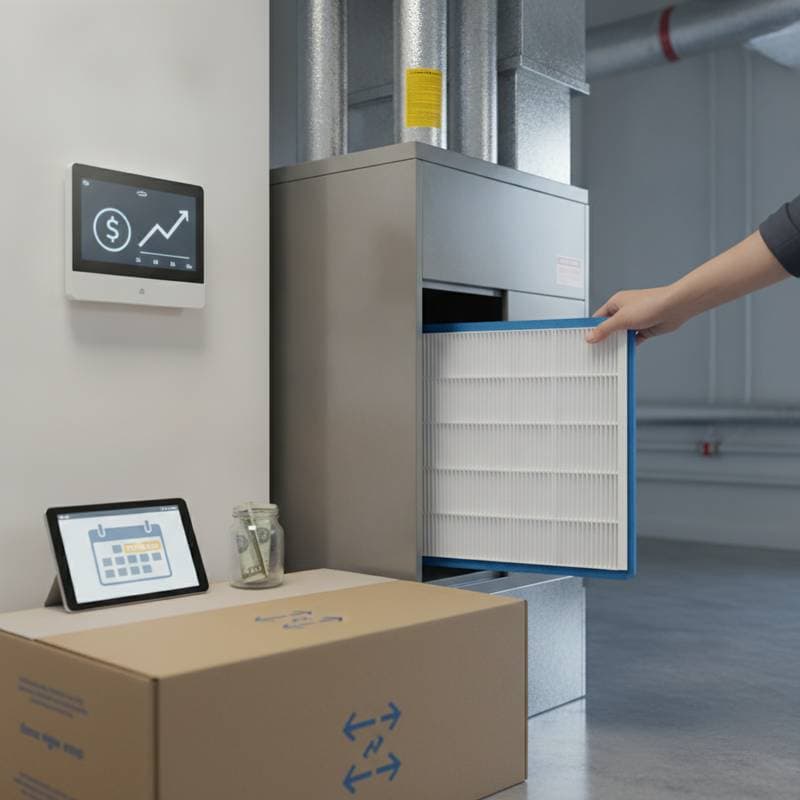
- Swap or wash air filters monthly to quarterly
- Clear vegetation, foliage, and refuse from exterior components
- Ensure supply and return vents remain unobstructed by furnishings
- Verify thermostat power sources and configurations
These measures sustain robust circulation and efficiency pending the subsequent professional review.
When to Call a Professional
Entrust tasks related to circuits, cooling circuits, or fuel systems to credentialed HVAC experts. Self-attempts risk nullifying guarantees, harming machinery, or posing grave dangers.
Prompt specialist intervention follows observations of odd sounds, diminished circulation, or rising power usage. Subscription benefits often waive or lessen fees for initial assessments, enabling timely resolutions without added financial strain.
What to Expect During a Professional Maintenance Visit
Understanding the service sequence builds trust in the arrangement. A standard procedure under subscription terms unfolds as follows.
-
Inspection
Specialists examine the full assembly, encompassing evaporators, drives, straps, and power links. -
Cleaning
Accumulated grime, residue, and deposits receive removal from evaporators, drainage paths, and air handlers. -
Filter Replacement
Filters undergo exchange or purification to guarantee unhindered passage of air. -
Adjustments and Testing
Controls receive alignment, cooling charges get verification, and protective mechanisms undergo trials. -
Performance Report
Post-service documentation outlines status, suggests interventions, and shares optimization advice.
Such routine procedures identify concerns early, curbing escalation and associated burdens.
Frequently Asked Questions
How much does a monthly HVAC subscription cost?
Fees fluctuate according to provider, area, and equipment variety. Participants typically cover two expert sessions annually plus repair and component reductions through a reasonable monthly payment. Scrutinize specifics prior to enrollment.
Are subscription plans worth it if my system is new?
Affirmative. Fresh installations require consistent attention to preserve performance and uphold manufacturer assurances. Scheduled care guarantees longevity and optimal output over extended periods.
Can I cancel my subscription at any time?
Providers generally permit terminations, although certain policies demand advance notification or impose minor penalties for early exits. Review agreement stipulations upon initiation.
Do these plans include emergency service calls?
Select agreements furnish expedited bookings or favorable pricing for off-schedule urgencies. Verify inclusions in the chosen program to prevent unexpected outlays.
Will maintenance really lower my energy bills?
Indeed. Unclogged filters, greased mechanisms, and balanced cooling volumes enhance operational economy. Cumulative enhancements yield tangible reductions in consumption over time.
Steps to Enroll in an HVAC Maintenance Plan
A monthly HVAC subscription surpasses mere convenience; it safeguards comfort, finances, and equipment endurance. Even distribution of expenses paired with expert oversight averts failures and sustains effective, unwavering operation across seasons.
Consider initiating a plan if none exists currently. Consult a reputable HVAC authority to identify suitable coverage for the residence and resources. The appropriate selection ensures preparedness for climatic demands with minimal concern.