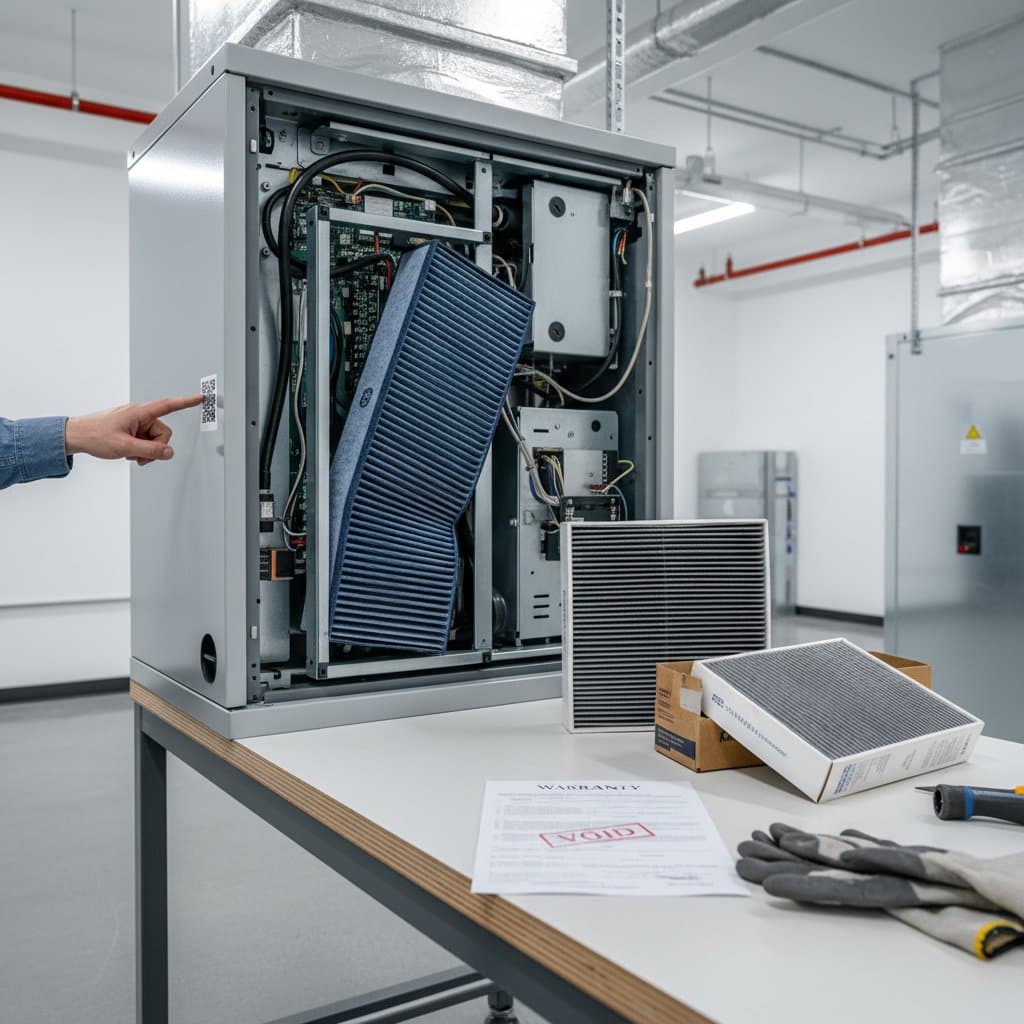
Why 64% of DIY Filter Changes Void HVAC Warranties
Homeowners often replace HVAC filters independently to conserve time and expenses. However, a significant majority make errors that invalidate their system's warranty. Statistics indicate that 64% of such DIY attempts lead to voided coverage, potentially resulting in repair bills of hundreds or thousands of dollars. This article examines the reasons behind these issues, outlines avoidance methods, and identifies safe self-maintenance options.
What Your HVAC Warranty Actually Covers
HVAC warranties safeguard against particular failures in components such as the compressor, coils, and key internal parts. Coverage for labor varies by brand and installation conditions. Homeowners frequently overlook the fact that these protections hinge on adherence to precise maintenance protocols, including correct filter replacement.
Manufacturers expect owners to comply fully with care instructions. Failure to do so, even in minor ways like selecting an inappropriate filter, constitutes neglect. During a claim review, evidence of such lapses allows the manufacturer to reject coverage.
Reasons DIY Filter Changes Void Warranties
Manufacturers impose these standards to prevent premature damage and ensure system longevity. The following represent prevalent errors that trigger warranty invalidation.
1. Selecting Incorrect Filter Size or Type
Every HVAC unit requires filters matched to its precise dimensions and airflow specifications. An oversized or loosely fitted filter permits air to circumvent it, allowing dust to infiltrate the blower and coils. This forces the system to operate under strain, leading to overheating and accelerated wear. Inspectors attribute such harm to maintenance shortcomings rather than manufacturing flaws.
2. Neglecting Timely Replacements
Proper filter selection alone proves insufficient without consistent scheduling. A dirty filter impedes airflow, compelling the fan motor to labor excessively and extending operational cycles. Owners who delay changes beyond recommended intervals invite component stress. Manuals specify replacement frequencies, and deviations breach warranty conditions.
3. Reversing Filter Orientation
Filters feature directional arrows indicating airflow paths. Incorrect placement heightens resistance and directs dust toward unintended areas. This reduces overall efficiency and risks thermal buildup. Post-failure examinations often detect telltale signs of reversed installation, justifying warranty denial.
4. Omitting Maintenance Records
Warranty claims demand verifiable evidence of upkeep. DIY efforts seldom produce formal documentation like receipts or logs. In contrast, professionals maintain detailed digital records tied to service dates. Lacking this proof, manufacturers readily dismiss claims.
5. Causing Physical Damage During Access
Replacing filters sometimes involves panel removal or proximity to sensitive elements. Minor incidents, such as coil scratches or cover deformations, qualify as unauthorized modifications. HVAC designs rely on sealed integrity; any tampering compromises warranty eligibility.
Financial Implications of a Voided Warranty
Loss of warranty protection shifts all repair expenses to the owner. Component replacements, like compressors or circuit boards, incur costs from several hundred to thousands of dollars. These outlays surpass the investment in regular professional servicing. The security offered by active coverage evaporates with a single oversight.
Professional Approaches to Filter Maintenance
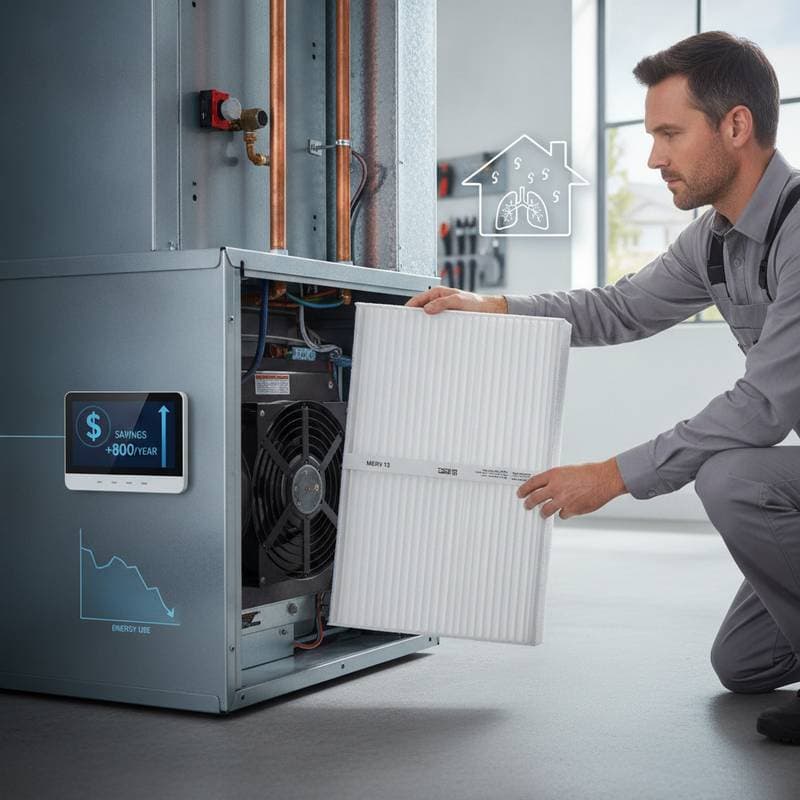
Certified technicians execute filter changes within comprehensive service protocols. Their process includes the following steps:
- Initial System Assessment: Evaluate airflow, pressure differentials, and current filter condition prior to any disassembly.
- Precise Filter Matching: Verify compatibility with the unit's model and performance ratings to sustain optimal airflow.
- Thorough Installation: Clean the housing and secure the filter to eliminate bypass opportunities.
- Post-Installation Verification: Test airflow dynamics to confirm unobstructed operation.
- Comprehensive Logging: Document the service with equipment identifiers, creating a reliable audit trail for future claims.
Such records provide indispensable value, bolstering warranty assertions and justifying professional fees.
Comparing DIY Filter Replacement and Professional Service
Self-replacement appears straightforward, yet risks warrant careful consideration.
Safe DIY Practices
Inspect filters monthly for accumulated debris or staining. Maintain cleanliness around the unit to prevent external contaminants. Power down the system before accessing the panel. If confident in specifications and directions, proceed with replacement per manual guidelines, documenting each action.
Indicators for Professional Involvement
Seek expert assistance if filter dimensions remain unclear or the unit features complex configurations. Annual professional tune-ups prove essential for thorough inspections beyond filter tasks. Call a technician immediately upon noticing unusual noises, reduced airflow, or error codes, as these signal potential issues requiring specialized diagnosis.
Strategies to Preserve Warranty Coverage
Implement these measures to safeguard your HVAC investment:
- Review warranty documentation thoroughly to identify mandatory maintenance intervals and procedures.
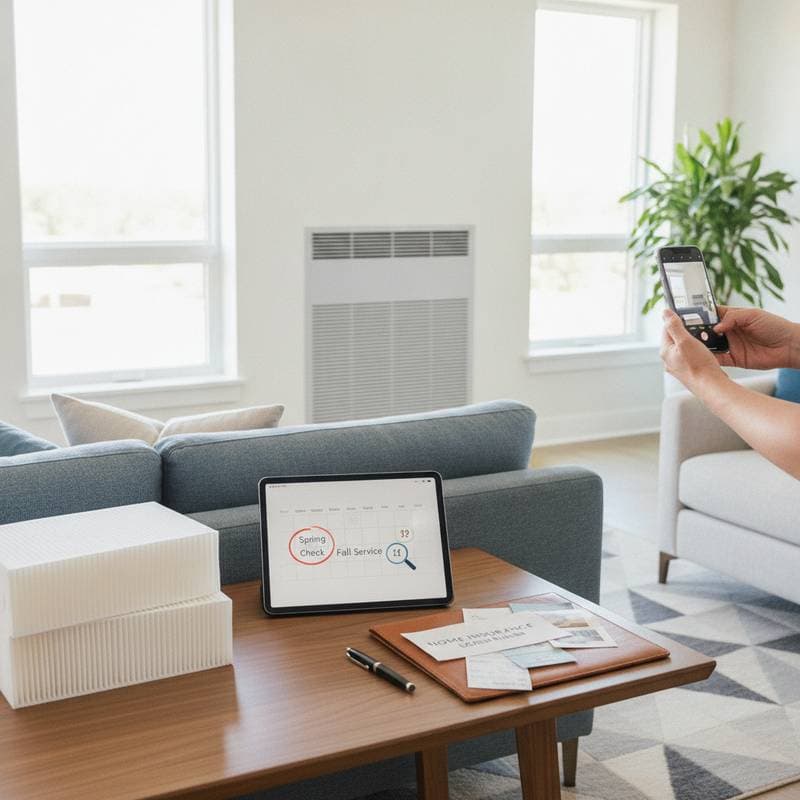
- Maintain detailed logs, including dates, filter specifications, and purchase proofs, even for personal efforts.
- Select only filters endorsed by the manufacturer, adhering strictly to manual dimensions and ratings.
- Arrange yearly professional inspections to validate system performance and compliance.
- Refrain from unapproved alterations or adjustments to factory settings.
Frequently Asked Questions
Can homeowners replace HVAC filters independently without risking warranty validity?
Affirmative, provided the correct filter is used, installation follows precise guidelines, and records are kept. Purchase receipts and dated notes serve as essential documentation.
How do manufacturers detect improper filter installation?
Service experts identify irregularities through airflow disruptions, dust deposition patterns, and component stress indicators. These findings support claim rejections.
What occurs following a denied warranty claim?
Owners bear full responsibility for repairs, with expenses varying from hundreds to thousands of dollars based on the affected part.
What is the recommended frequency for HVAC filter replacement?
Intervals range from one to three months, influenced by filter type and environmental factors. Consult the unit manual for tailored schedules.
Does professional maintenance justify its expense?
Indeed, it promotes efficiency, upholds warranty terms, and identifies minor problems early, averting substantial future costs.
Ensuring Long-Term HVAC Reliability
HVAC systems represent critical home infrastructure. Valid warranties shield both operational comfort and financial stability. Although filter changes seem simple, errors carry high stakes. Professional oversight guarantees adherence to standards, minimizing risks. When in doubt, prioritize expert intervention to sustain system health.