Reduce HVAC Service Calls by 55% with MERV 13 Filters
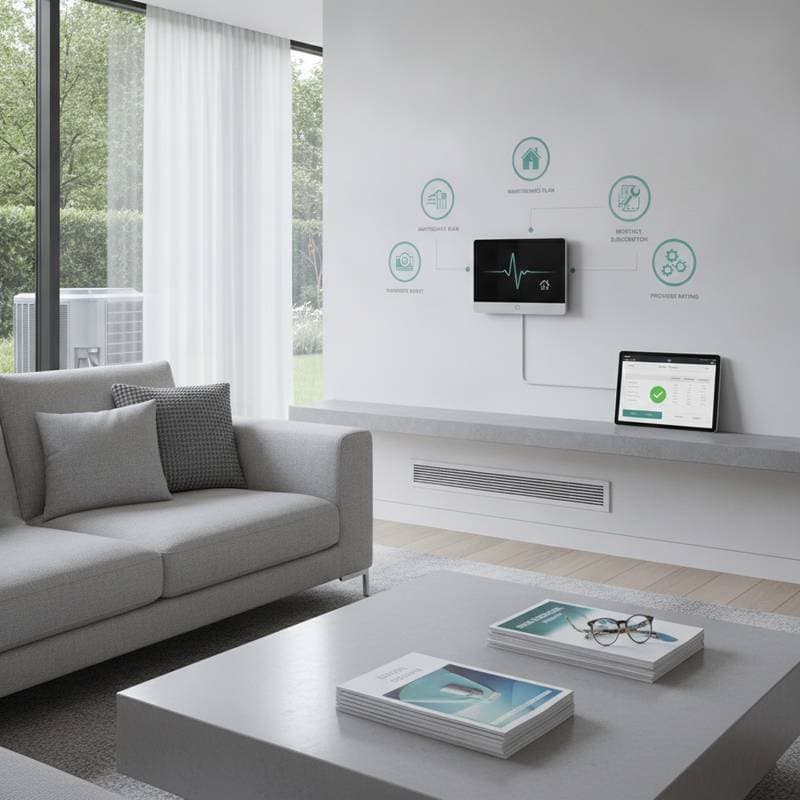
Upgrading the HVAC filter represents one of the most straightforward methods to enhance system performance and minimize expensive service calls. Homeowners who adopt high-efficiency filters, such as those rated MERV 13, experience up to 55 percent fewer maintenance visits. This adjustment not only elevates air quality but also safeguards equipment and generates savings. The following sections explain the mechanism and provide guidance for independent implementation.
| Item | Quick Facts |
|---|---|
| Recommended Filter Rating | MERV 11 to MERV 13 |
| Average Filter Cost | $10 - $40 per filter |
| Replacement Frequency | Every 60 to 90 days |
| Estimated HVAC Call Reduction | Up to 55% fewer service visits |
| DIY Difficulty | Easy |
Why Filter Quality Matters
The HVAC filter serves as the primary barrier against dust, pollen, and airborne particles that enter the system. A clogged or inferior filter forces the HVAC unit to operate under increased strain, which contributes to malfunctions, diminished efficiency, and suboptimal indoor air quality. Filters rated at MERV 13 excel by capturing fine particles overlooked by standard options, thereby maintaining a cleaner system over extended periods.
Understanding MERV Ratings and What They Mean
MERV denotes Minimum Efficiency Reporting Value, a standardized scale ranging from 1 to 16 that evaluates a filter's ability to capture particles of varying sizes. Higher ratings indicate superior filtration of smaller contaminants.
- MERV 1-4: Offers basic protection by trapping large dust and lint, yet permits passage of most allergens.
- MERV 5-8: Provides medium-level defense, effective against dust mites, mold spores, and pet dander in typical households.
- MERV 9-12: Delivers high protection, securing smaller particles such as fine dust and lead residues.
- MERV 13-16: Ensures superior filtration, capturing bacteria, smoke, and certain viruses, akin to standards in medical facilities.
In residential settings, MERV 11 or MERV 13 offers an optimal combination of effectiveness and sufficient airflow.
How Better Filters Reduce Service Calls
Cleaner Coils and Blower Motors
High-efficiency filters prevent excess debris from reaching critical components like evaporator coils and blower motors. These parts operate more efficiently when free of buildup, which reduces operational stress and lowers the risk of overheating or premature failure.
Improved Airflow Efficiency
Enhanced filtration promotes unrestricted airflow, allowing the system to distribute air through ducts with less resistance. This efficiency decreases motor workload and prolongs the overall lifespan of the HVAC unit.
Balanced Air Pressure
Inadequate filters disrupt internal air pressure, potentially causing duct leaks or structural damage. A filter with an appropriate MERV rating supports even pressure distribution, preventing such complications.
Consistent Indoor Air Quality
Superior filtration minimizes the circulation of allergens and particulates within the home. Residents enjoy improved respiratory health, while the HVAC system endures less cumulative wear.
How to Upgrade Your HVAC Filter
Step 1: Locate the Filter Slot
Identify the filter compartment, typically situated within the return air grille or adjacent to the air handler unit. Consult the system's manual for precise location if uncertainty arises.
Step 2: Measure Filter Size
Extract the current filter and record the dimensions indicated on its frame, for example, 16x25x1 inches. This measurement guides the selection of compatible replacements.
Step 3: Choose Your MERV Rating
Opt for a MERV 11 or MERV 13 filter suited to your system's airflow specifications. For older units, begin with MERV 11 to prevent any potential restriction.
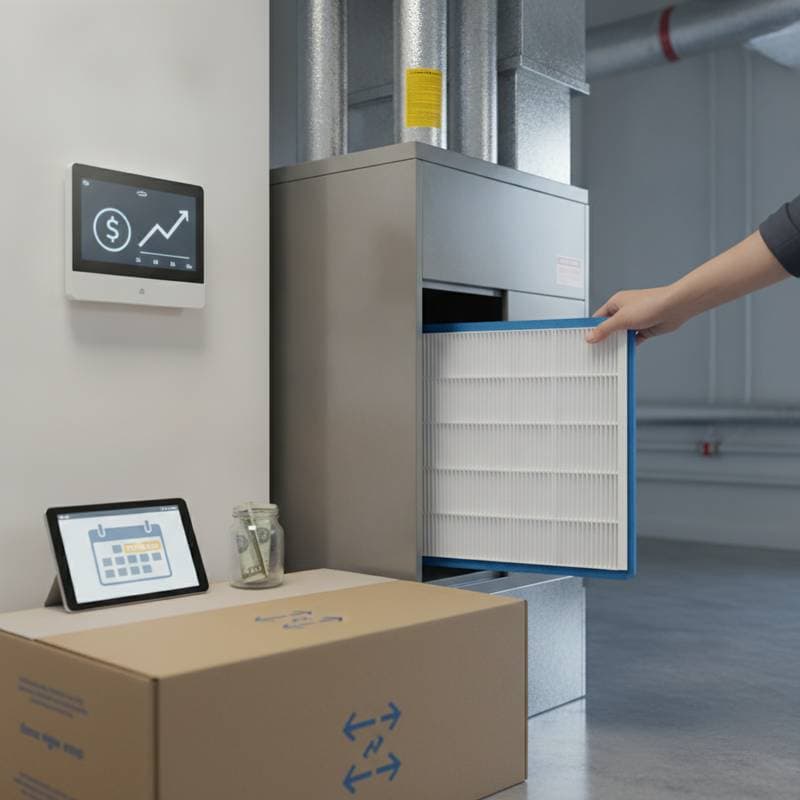
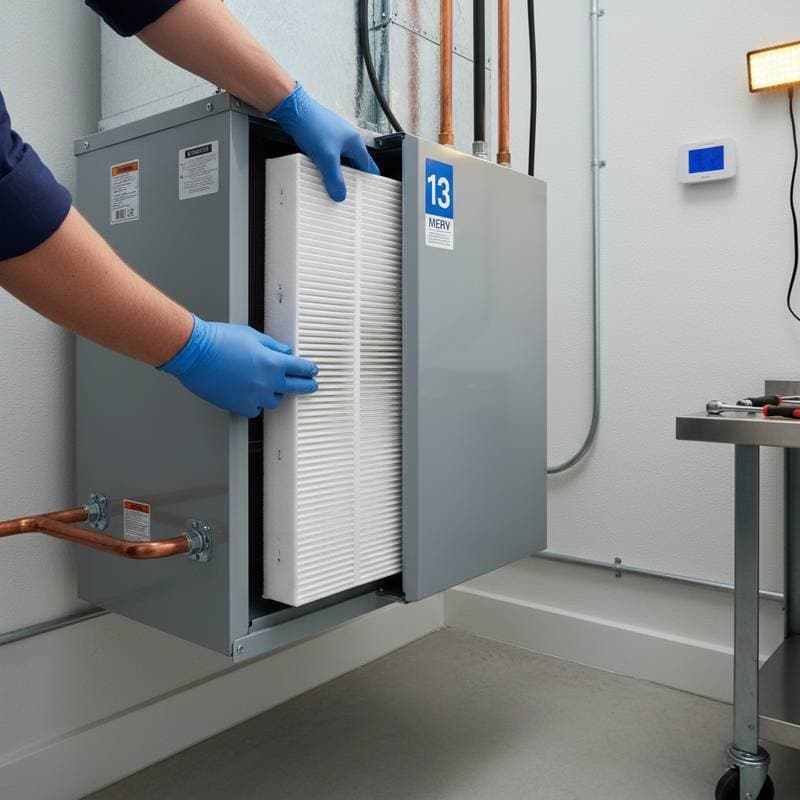
Step 4: Install the New Filter
Position the replacement filter so that the directional arrows face toward the air handler. Ensure a secure fit that seals all edges to maximize effectiveness.
Step 5: Set a Replacement Schedule
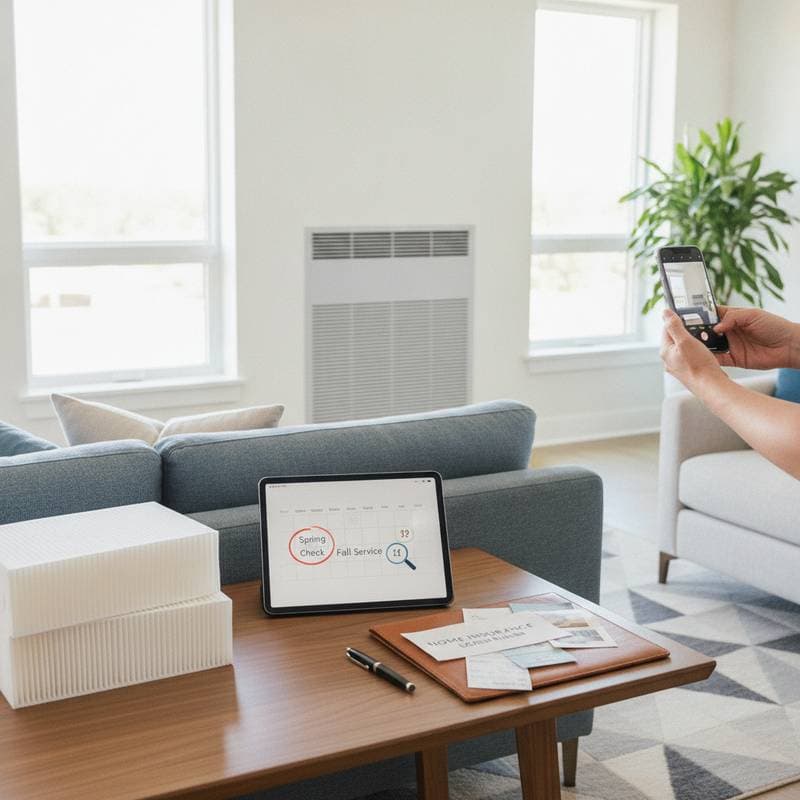
Establish reminders to inspect and replace the filter every 60 to 90 days. In environments with pets, high dust levels, or allergy concerns, more frequent intervals may prove necessary.
Common Mistakes to Avoid
- Using the wrong size filter: Improper dimensions permit unfiltered air to enter, depositing debris directly into the system.
- Skipping replacements: High-quality filters degrade when saturated, negating their benefits over time.
- Choosing too high a MERV rating: Ratings exceeding MERV 13 may impede airflow in certain setups, thereby increasing system strain.
- Forgetting seasonal changes: Perform replacements prior to intense heating or cooling periods to optimize performance during high-demand seasons.
When to Call a Professional
While filter upgrades qualify as simple DIY tasks, professional assistance becomes essential in specific scenarios. Seek an HVAC technician if your system exhibits persistent issues like unusual noises, inconsistent temperatures, or reduced airflow after installation. Older systems, particularly those over 10 years old, may require evaluation to confirm compatibility with higher MERV ratings. Additionally, if you encounter difficulties accessing the filter slot or suspect underlying problems such as duct leaks, a specialist can diagnose and resolve them efficiently.
The Cost of DIY Filter Maintenance
Independent filter replacement stands out as a highly economical maintenance practice. A MERV 13 filter typically ranges from $20 to $40, in contrast to professional service fees that often exceed $100 per visit. Over time, this routine not only averts multiple service calls but also contributes to energy savings through improved efficiency, yielding substantial long-term financial benefits.
Frequently Asked Questions About Filter Upgrades
How often should I change my HVAC filter?
Replacement every two to three months suits most households. In cases involving pets, allergies, or dusty conditions, monthly changes ensure optimal filtration and system health.
Can a high MERV filter damage my system?
Proper selection avoids damage. Review the system manual for airflow guidelines; MERV 11 or 13 filters generally enhance performance without compromising circulation.
Do thicker filters last longer?
Affirmative. Two- to four-inch thick filters accommodate greater particle capacity and sustain effectiveness longer than standard one-inch variants.
Are reusable filters worth it?
Reusable options perform well with diligent cleaning, yet disposable filters maintain consistent efficiency if replacements occur regularly.
Will a better filter lower my energy bill?
Indeed. Enhanced airflow from clean, efficient filters enables the system to operate with reduced energy consumption.
Can I use a MERV 13 filter with any HVAC system?
Modern systems accommodate MERV 13 effectively, though older models might benefit from a lower rating to preserve adequate airflow.
Implement Upgrades for Lasting System Reliability
Adopting a high-efficiency HVAC filter delivers immediate and enduring advantages, from purer indoor air to fewer disruptions and reduced expenses. By selecting the appropriate MERV rating and adhering to a disciplined replacement schedule, homeowners secure a dependable heating and cooling system that performs consistently across seasons.