DIY Filter Upgrades Slash Allergens 85% This Spring
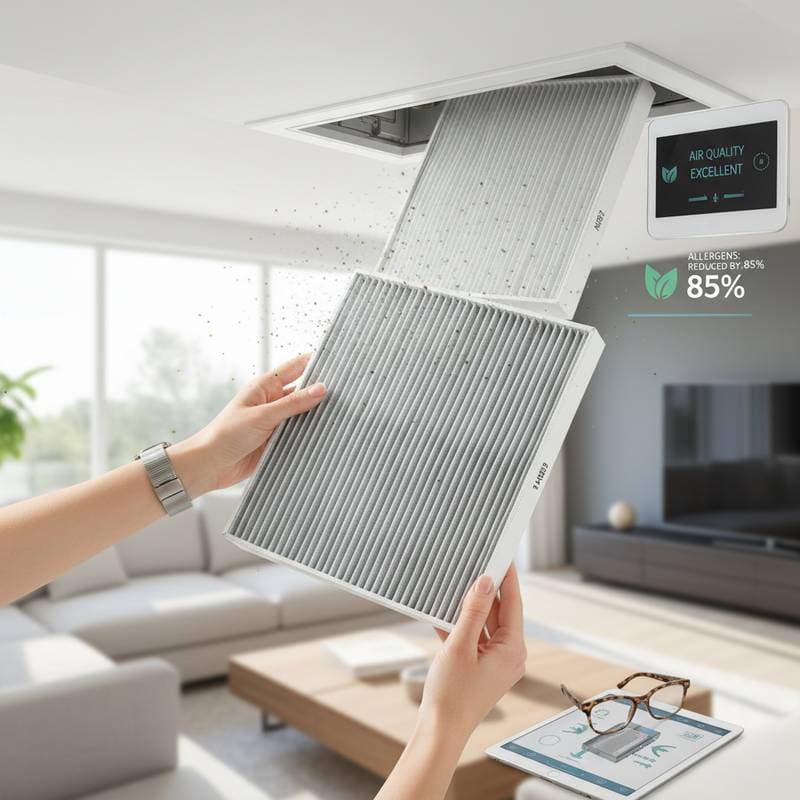
Spring signals renewal for many, yet it often triggers sneezing, itchy eyes, and congestion for those with allergies. You can enhance indoor air quality substantially through a straightforward upgrade. Install a MERV 13 filter in your HVAC system to reduce airborne allergens by up to 85%. This guide covers selecting the appropriate filter, installing it correctly, and maintaining it for sustained benefits in your home.
What Is a MERV Filter?
MERV represents Minimum Efficiency Reporting Value, a standard that evaluates an air filter's ability to capture particles of varying sizes. Ratings span from 1 to 20, where elevated numbers denote superior filtration of smaller particles.
- MERV 1-4: These capture large dust and lint particles, providing basic protection.
- MERV 5-8: They trap mold spores and pet dander effectively, suitable for typical households.
- MERV 9-12: These filters seize finer elements like lead dust and vehicle emissions.
- MERV 13-16: Optimal for mitigating allergies, they capture bacteria, smoke, pollen, and fine dust.
- MERV 17-20: Reserved for settings such as cleanrooms and hospitals requiring ultra-pure air.
In residential applications, a MERV 13 filter strikes an optimal balance between enhanced air purity and HVAC functionality. It diminishes allergens considerably without impeding airflow.
Why Filter Upgrades Matter for Allergy Reduction
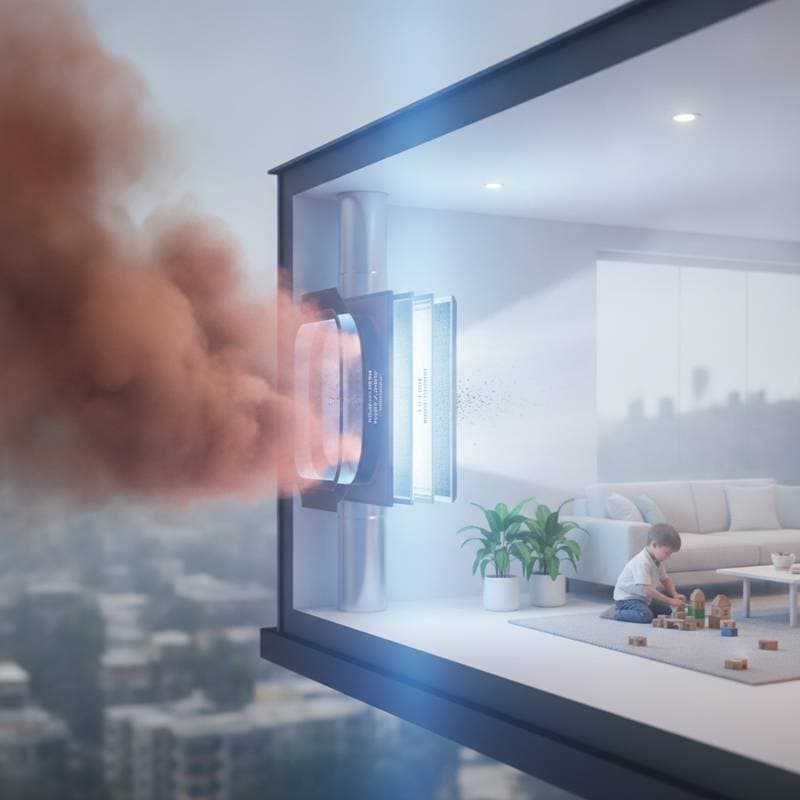
As outdoor pollen surges, your HVAC system serves as the primary barrier against indoor contamination. Standard filters may block coarse dust, yet they permit finer allergens to permeate and linger. MERV 13 filters target these minuscule intruders, including:
- Pollen grains
- Pet dander
- Mold spores
- Dust mite remnants
- Fine smoke and soot
Such filtration halts the redistribution of irritants onto surfaces like furniture, floors, and bedding. Consequently, indoor air remains fresher, and allergy symptoms subside. For individuals with asthma or seasonal sensitivities, this change yields tangible improvements in respiratory comfort.
Common Signs You Need a Filter Upgrade
Determine the need for replacement or enhancement by observing these indicators:
- Persistent dust accumulation on surfaces despite regular cleaning
- Intensified allergy symptoms within the home
- Reduced airflow from vents
- Gray or black staining on the existing filter
- Musty odors emanating from the HVAC during operation
These symptoms indicate a clogged or inadequate filter. Transitioning to a higher MERV rating promptly restores ventilation and filtration efficacy.
How to Choose the Right Filter for Your HVAC System
Compatibility remains essential when selecting a filter, as not all systems accommodate high-efficiency options equally.
- Review your system's manual for the recommended MERV rating. Dense filters may increase resistance beyond certain units' capacity.
- Measure the current filter's dimensions, typically noted on its frame. Precision in sizing prevents gaps or improper seating.
- Evaluate material types:
- Fiberglass: Budget-friendly but limited to large particles.
- Pleated: Deliver superior capture rates in elevated MERV levels.
- Electrostatic: Employ charge to attract particles; some models allow reuse.
- Assess household factors. Residences with pets, tobacco use, or allergy-prone occupants gain most from MERV 11 to 13 ratings.
Consult a certified technician if compatibility concerns arise. They can assess the maximum viable MERV for your setup.
DIY Filter Replacement: Step-by-Step
Filter swaps rank among the easiest HVAC maintenance procedures, requiring mere minutes.
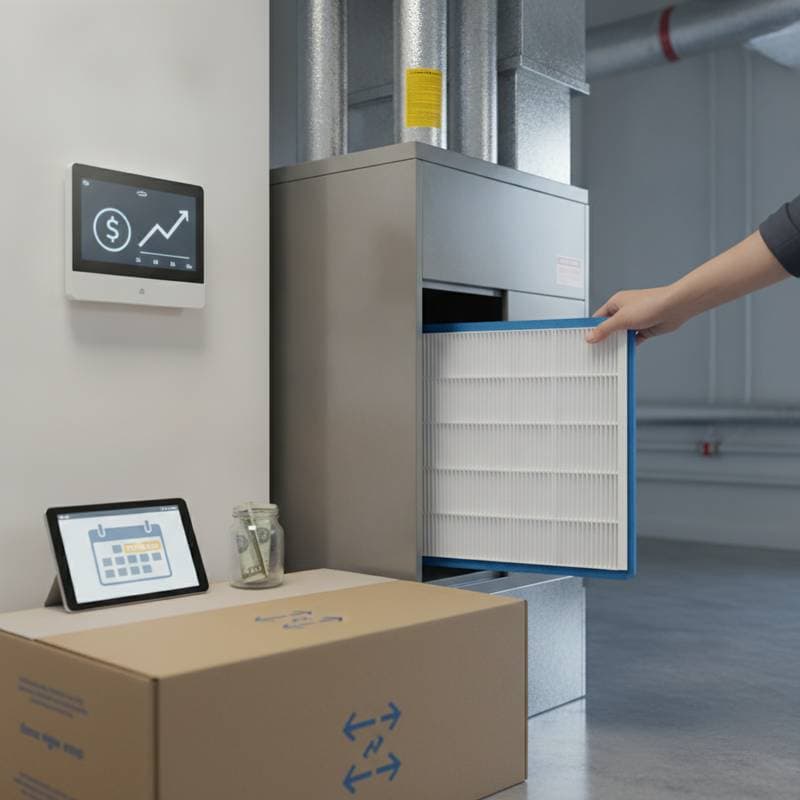
- Power down the HVAC system to halt air circulation.
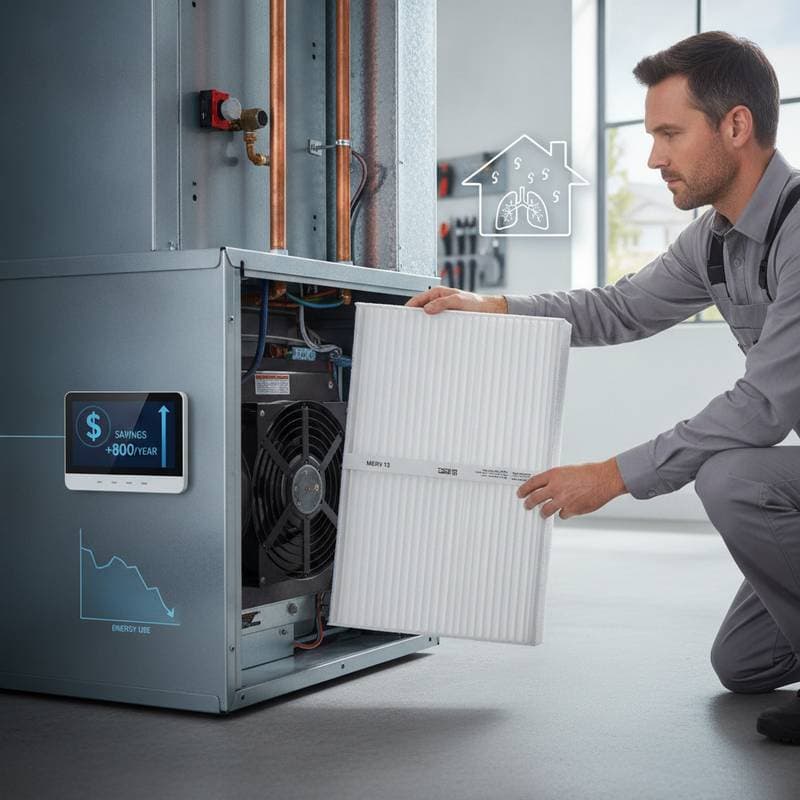
- Identify the filter slot, often behind return grilles, within the furnace enclosure, or adjacent to the air handler.
- Extract the old filter gently to minimize dust dispersal.
- Orient the new filter by its airflow arrow, directing toward the furnace or blower.
- Secure the new filter in position for a tight seal.
- Reactivate the system and monitor for consistent airflow.
Seal the discarded filter in a bag before disposal to contain allergens and prevent airborne release.
DIY Maintenance vs. Hiring a Pro
Handle routine filter exchanges independently, but recognize scenarios warranting expert intervention.
Safe DIY Tasks
- Exchanging standard filters
- Wiping return grilles and registers
- Vacuuming vent surroundings
Tasks for a Professional
- Retrofitting filter housings or accommodating deeper filters
- Measuring static pressure post-upgrade to MERV 13
- Examining duct integrity and accumulations
- Servicing coils and blowers
Elevated-efficiency filters might subtly constrain airflow if unadjusted. Technicians gauge pressures and fine-tune fans to safeguard efficiency and prevent strain.
The Benefits of MERV 13 Filters
Beyond alleviating allergies, MERV 13 filters confer multiple advantages.
- Superior indoor air: Traps up to 85 percent of allergens and particulates.
- Healthier habitat: Limits contact with bacteria, mold, and smoke remnants.
- Enhanced system longevity: Shields components from debris accumulation.
- Reduced housekeeping: Minimizes settling on household surfaces.
- Optimized energy use: Facilitates unobstructed flow for economical operation.
These attributes position MERV 13 filters as a prudent, economical enhancement for air quality and comfort.
Frequently Asked Questions
How often should I change a MERV 13 filter?
MERV 13 filters typically last 60 to 90 days. In dusty environments or pet-heavy homes, inspect and replace monthly. Monitor visually and airflow to guide timing.
Can a MERV 13 filter damage my HVAC system?
Provided the system tolerates the resistance, no damage occurs. Verify manufacturer guidelines; technicians can perform static pressure tests for confirmation.
Are MERV 13 filters reusable?
Standard models are disposable for optimal results. Certain electrostatic variants wash and dry for reuse, though pleated disposables ensure reliable filtration.
Will a higher MERV filter reduce my energy bills?
Clean filters promote efficiency by averting dust clogs. While denser options add minor resistance, regular replacement offsets this, prioritizing health gains.
Are MERV 13 filters good for homes with pets?
Absolutely. They excel at ensnaring pet dander, a prevalent allergen, while curbing odors and airborne fur distribution.
Steps to Achieve Cleaner Indoor Air
Initiate healthier breathing this spring via filter replacement. A MERV 13 upgrade slashes allergens by up to 85 percent, fostering a more inviting home.
Seek professional assessment for compatibility and setup if needed. Consistent maintenance delivers sustained purity, diminished symptoms, and superior HVAC performance throughout the season.