
Why 8 Million Homes Switched to HVAC Subscriptions in 2025
Why Homeowners Choose HVAC Subscription Plans
Millions of homeowners across the United States now rely on HVAC subscription services for efficient management of heating and cooling systems. These plans bundle regular maintenance, priority support, and financial predictability into a single package. Annual fees typically range from $180 to $480, influenced by factors such as system capacity, visit frequency, and local labor costs.
This article details the surge in HVAC subscription adoption, outlines benefits for participants, compares expenses with conventional services, and guides selection of an appropriate plan.
Factors Driving HVAC Subscription Popularity
Homeowners value the reliability, ease, and expense management offered by HVAC maintenance subscriptions. Multiple elements contribute to this growing preference.
1. Predictive Maintenance Technology
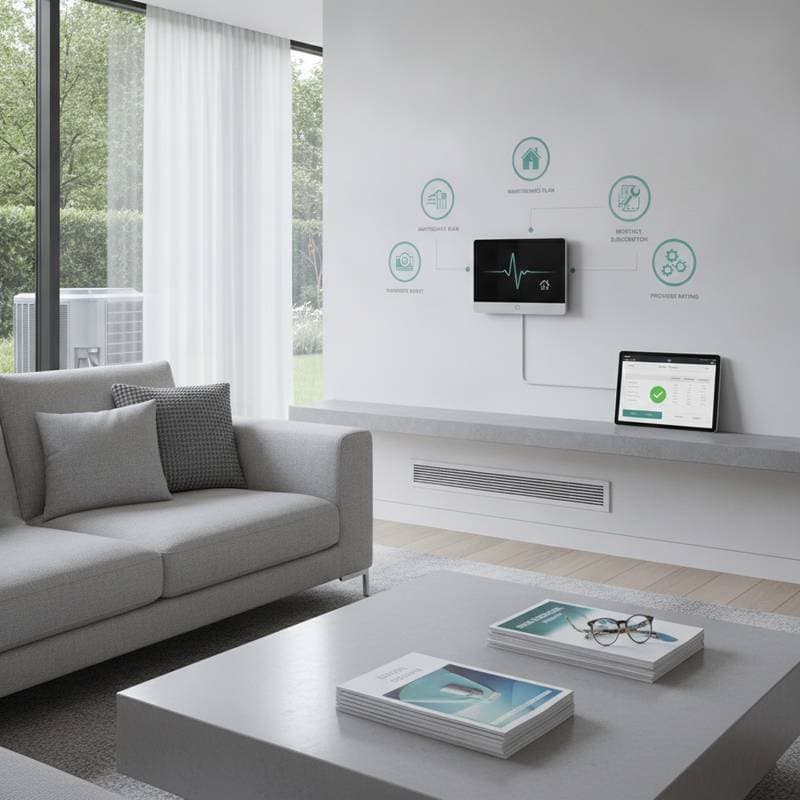
Advanced HVAC units incorporate sensors and analytics to identify performance shifts early. This approach enables technicians to resolve minor problems, such as refrigerant leaks or degraded belts, prior to major failures. Subscriptions featuring predictive tools often notify service providers directly, which accelerates interventions and minimizes disruptions.
2. Escalating Repair and Replacement Expenses
Contemporary HVAC equipment demands pricier components and skilled labor. Replacing a compressor may incur costs of $1,200 to $2,800, while repairing a blower motor ranges from $400 to $900. Routine inspections through subscriptions prolong equipment life and sustain optimal energy use, thereby reducing these potential outlays.
3. Enhanced Convenience and Priority Access
Members gain preferential booking for urgent needs. During high-demand periods like intense summer heat or harsh winters, subscribers avoid extended waits and receive prompt attention. This advantage frequently offsets the yearly subscription expense.
4. Improved Energy Efficiency and Cost Reductions
Consistent upkeep ensures systems operate at maximum capacity. Tasks like coil cleaning, thermostat adjustments, and airflow optimization can decrease energy bills by 10 to 15 percent each year. Such reductions often cover the subscription fee over time.
5. Streamlined Financial Planning
Fixed payments appeal to those who dislike surprise charges from repairs. Subscriptions provide steady costs, which facilitate better budgeting for overall household finances.
Elements Influencing HVAC Subscription Pricing
Costs differ based on equipment variety, property dimensions, and service scope. Grasping these variables aids in selecting a suitable option.
1. Equipment Variety
- Central Air and Furnace Units: Integrated packages prevail, priced at $250 to $450 annually.
- Heat Pumps: Fees rise slightly for continuous use, averaging $300 to $500 per year.
- Mini-Split Configurations: Expenses depend on indoor unit count, with each extra zone increasing costs by $50 to $100 yearly.
2. Property Dimensions and Utilization
Spacious residences or those with several units demand extended service efforts and supplies. Fees adjust proportionally to these requirements.
3. Regional Labor Expenses
Local technician wages affect overall pricing. Metropolitan regions with elevated rates position subscriptions toward the higher spectrum.
4. Inspection Cadence
Options for quarterly checks exceed annual ones in price, yet they enhance performance and dependability further.
5. Supplementary Options
Packages with smart oversight, prolonged guarantees, or air purification assessments command premium rates, yet they extend comprehensive safeguards.
6. Additional Benefits
Providers frequently add incentives like reduced rates on components or fixes, filter provisions, and retention bonuses. These elements yield substantial ongoing returns.
Details of a Subscription Maintenance Appointment
Subscriptions guarantee periodic evaluations to uphold system excellence. Standard procedures include:
- Cleaning of condenser and evaporator coils
- Assessment of refrigerant quantities and leak detection
- Examination and fine-tuning of blower parts
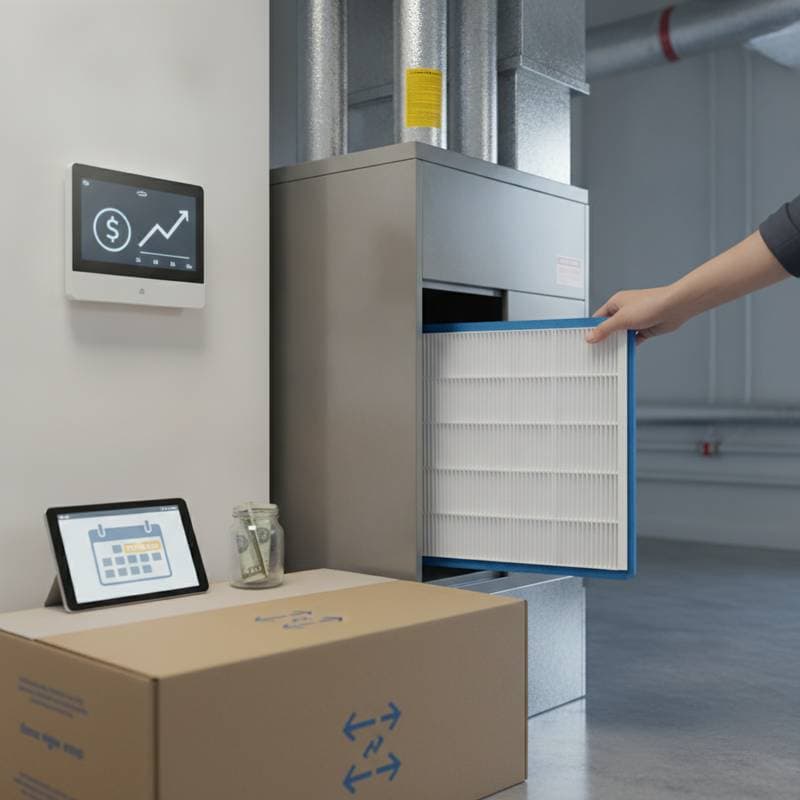
- Air filter replacement or cleansing
- Verification of controls and thermostat settings
- Inspection of electrical links and power levels
- Evaluation of airflow and duct condition
Post-visit summaries detail operational status and suggest any subsequent actions.
Frequently Asked Questions About HVAC Subscriptions
How Do HVAC Subscriptions Function?
Participants remit monthly or yearly payments that encompass planned inspections, evaluations, and expedited assistance. Certain plans extend reductions on components or fixes. Advanced variants integrate sensors for ongoing remote analysis.
Do HVAC Subscriptions Deliver Value?
For the majority of property owners, these plans yield clear advantages. A solitary urgent repair often surpasses a full year's premium. Scheduled care curtails energy use and averts significant malfunctions, generating savings in the long term.
Is Plan Customization Possible?
Providers commonly permit adjustments to visit counts, protection extent, and services. Additions like duct sanitation, air quality evaluations, or amplified warranties create thorough coverage.
What Is the Duration of a Maintenance Appointment?
Routine sessions span one to two hours, varying with unit scale and state. Data from predictive systems shortens on-site duration through pre-arrival insights.
What Occurs Upon Relocation?
Numerous firms facilitate transfers to subsequent owners or issue partial reimbursements. Certain widespread networks support relocations within serviced zones.
Do Subscriptions Encompass Fixes or Components?
Entry-level options omit substantial repairs, whereas elevated tiers supply repair allowances or fractional reimbursements. Scrutinize specifics to confirm inclusions.
Obtaining HVAC Subscription Estimates
Prospective subscribers benefit from soliciting bids from regional experts. Variations in tiers, inclusions, and structures highlight the need for comparison.
Essential Inquiries for Service Providers
- Which services comprise each tier?
- How many annual inspections does the plan include?
- Does the service feature predictive oversight or intelligent integration?
- Do members receive reductions on fixes or components?
- What constitutes typical emergency response duration?
- Is transfer feasible for moves or property sales?
- Are filters and supplies covered in fees?
- Do you assure preferential booking in busy seasons?
- Exist charges for termination or extension?
- How do you monitor and document system metrics longitudinally?
Precise responses align selections with comfort and fiscal priorities.
Safeguarding Your HVAC Through Subscriptions
HVAC subscriptions extend beyond contracts; they embody forward-thinking strategies for comfort and efficiency. Routine attention yields steady operation, diminished interruptions, and reduced expenses.
With advancements in predictive tools, these models promise to dominate HVAC practices. The blend of technology, simplicity, and fiscal stability positions subscriptions as vital for preserving investments and ensuring enduring comfort.