Prepare Your Home for Summer: 7 Essential HVAC Checks
Before the heat sets in, your HVAC system requires thorough attention to maintain cooling, efficiency, and comfort in your home. A targeted maintenance checklist addresses potential issues early. These seven checks minimize mid-season failures, enhance energy use, and prolong system longevity.
| Checkpoint | Purpose | Recommended Action |
|---|---|---|
| Thermostat Calibration | Ensures accurate temperature control | Test and recalibrate if needed |
| Air Filter Replacement | Improves airflow and air quality | Replace or clean filters |
| Condenser Cleaning | Boosts cooling efficiency | Remove debris and rinse coils |
| Ductwork Inspection | Prevents air leaks and energy loss | Seal or repair any leaks |
| Refrigerant Level Check | Maintains proper cooling performance | Have a technician test and adjust |
| Electrical Connection Test | Prevents failures and hazards | Tighten and inspect connections |
| System Performance Test | Confirms readiness for summer | Schedule a professional tune-up |
Why Summer HVAC Preparation Matters
Rising temperatures demand more from your cooling system. Advance preparation allows the HVAC unit to manage increased loads without strain. This strategy cuts utility expenses, lowers emergency repair risks, and sustains indoor comfort throughout the season. Overlooking maintenance frequently results in restricted airflow, inconsistent temperatures, and expensive failures during peak heat.
1. Check and Calibrate the Thermostat
The thermostat regulates your entire comfort setup, making precision vital. Inaccurate readings cause the system to cycle excessively or insufficiently, leading to discomfort and higher energy use.
How to Check It
- Switch the thermostat to cooling mode and record its displayed temperature.
- Place a reliable thermometer nearby to measure the true room temperature.
- Adjust calibration if the readings differ by more than two degrees, or evaluate options for a programmable or smart model.
Programmable thermostats adapt cooling to your schedule, conserving energy during absences. Smart versions track patterns and refine settings for optimal efficiency.
2. Replace or Clean Air Filters
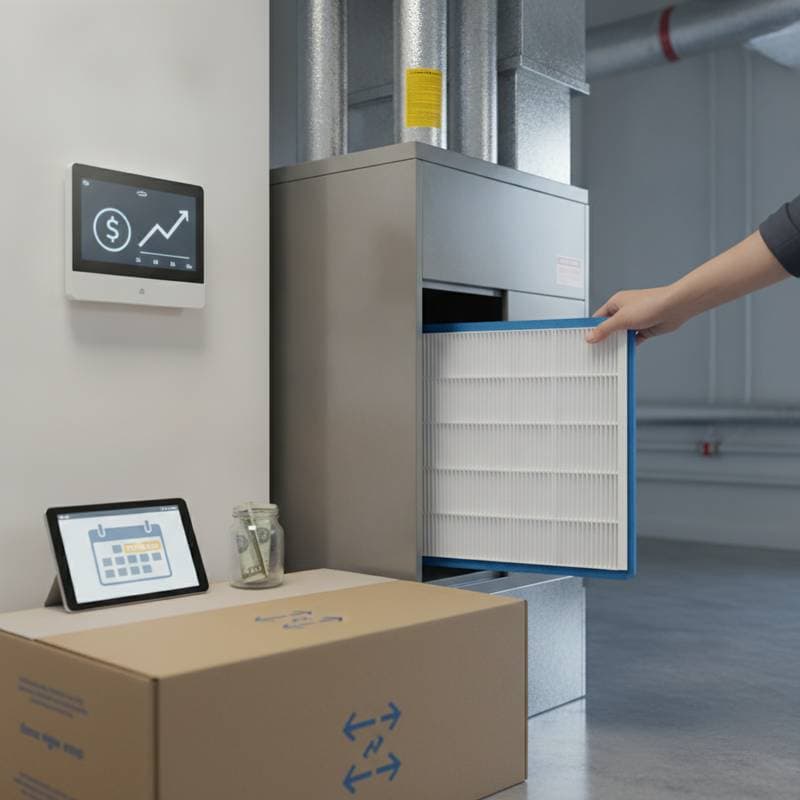
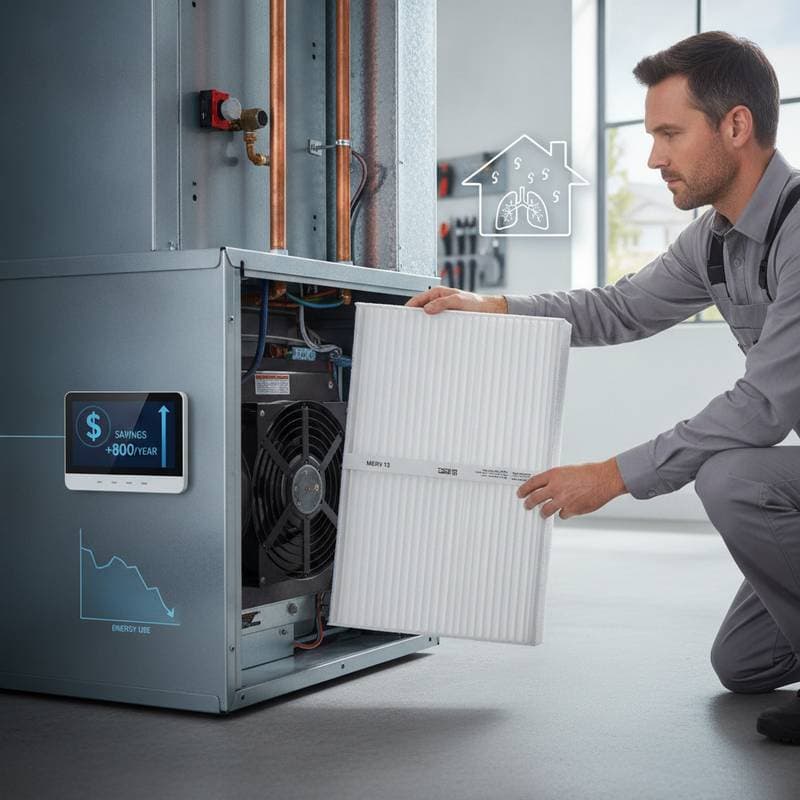
Clogged filters rank among the top reasons for HVAC underperformance. They impede airflow, overwork the system, and compromise air purity.
When and How to Replace Filters
- Examine filters monthly during intense cooling periods.
- Swap them every one to three months, depending on usage and filter type.
- Select filters with an appropriate MERV rating to balance filtration and system strain.
Fresh filters shield the evaporator coil from debris accumulation and ease the blower motor's effort, promoting smoother operation.
3. Clean the Outdoor Condenser Unit
The outdoor condenser's coils expel heat extracted from indoor air. Debris accumulation hinders heat dissipation, diminishing overall efficiency.
Steps for Cleaning
- Disconnect power to the unit at the breaker.
- Clear leaves, grass clippings, and dirt from the cabinet exterior.
- Rinse the coils gently with a hose, directing water from inside outward to avoid bending fins.
- Ensure at least two feet of clearance around the unit for unrestricted airflow.
Consistent cleaning accelerates cooling cycles and reduces power consumption, keeping your system responsive to heat waves.
4. Inspect and Seal Ductwork
Duct leaks can squander up to 30 percent of cooled air en route to rooms. Proper sealing directs conditioned air where it belongs, maximizing value from your energy investment.
Signs of Duct Problems
- Temperature variations across different rooms
- Increased dust accumulation on surfaces
- Hissing or whistling noises from duct joints
Fixing Leaks
Apply mastic sealant or foil-backed tape to accessible gaps. For concealed leaks, engage a professional to conduct a duct pressurization test, followed by targeted repairs or added insulation.
5. Check Refrigerant Levels
Refrigerant circulates to draw heat indoors and release it outside. Insufficient levels impair cooling capacity, extend runtime, and risk coil icing.
Why You Need a Professional Check
Handling refrigerant demands EPA certification and precise equipment. A licensed technician will:
- Assess system pressures accurately
- Identify and repair any leaks
- Replenish refrigerant to factory-specified amounts
Optimal refrigerant levels safeguard the compressor and ensure steady, effective cooling performance.
6. Test Electrical Connections and Components
Frayed or loose electrical links trigger erratic operation, inefficiency, or fire risks. All wiring, relays, and terminals merit close examination.
Areas to Inspect
- Connections at the outdoor condenser
- Capacitors, contactors, and relays
- Terminals within the indoor air handler
Address corrosion, unusual humming, or damaged insulation promptly through professional intervention. Sound electrical upkeep guarantees dependable and secure system function.
7. Schedule a Professional HVAC Tune-Up
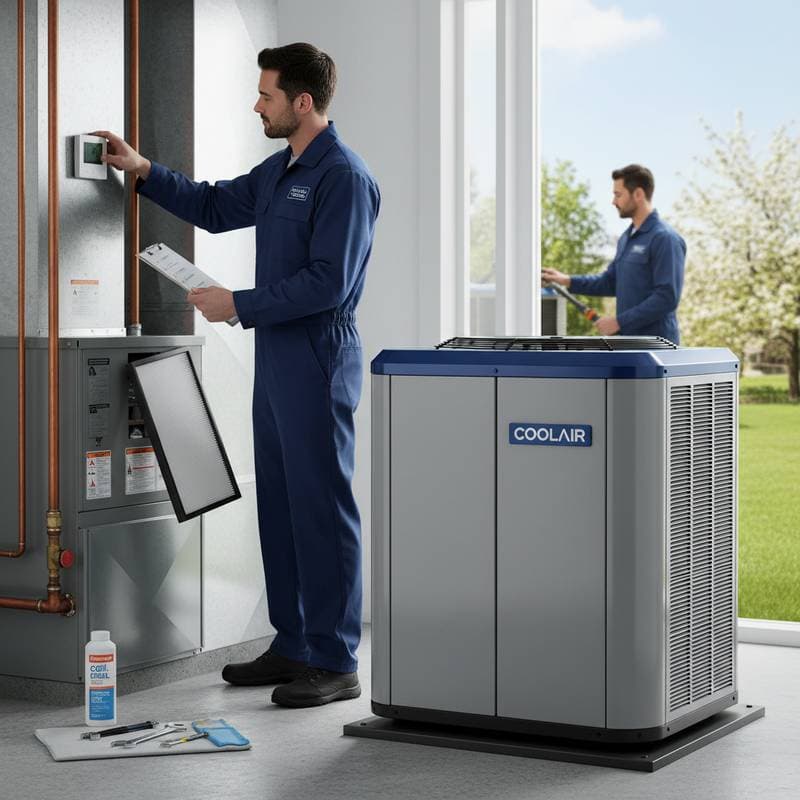
Homeowners who perform basic tasks still gain from expert oversight. Technicians uncover subtle problems and fine-tune components ahead of summer demands.
What a Tune-Up Includes
- Verification of refrigerant charge
- Thermostat precision adjustment
- Examination of coils, blowers, and fans
- Evaluation of safety switches and electrical integrity
- Lubrication of motors and bearings
- Airflow and pressure measurements
Comprehensive tune-ups prepare the system for sustained high-demand use, minimizing surprises during hot spells.
Key Factors That Affect HVAC Summer Performance
Airflow and Ventilation
Obstructions like closed vents, misplaced furniture, or restricted dampers hinder even cooling distribution. Verify all supply and return vents remain fully open and free of barriers to support uniform temperatures.
Insulation Quality
Effective insulation in attics and walls retains cooled air inside. Inadequate barriers force the system to compensate excessively, raising energy demands and temperature fluctuations.
Home Humidity Levels
Elevated humidity amplifies perceived warmth indoors. Persistent mugginess or condensation signals the need for system tweaks or supplementary dehumidification to restore balance.
System Age and Efficiency
Units with outdated SEER2 ratings consume excess power for subpar cooling. Systems approaching 10-15 years old warrant efficiency assessments, as replacements often yield substantial savings.
Signs That Your HVAC System Needs Attention
- Vents emitting warm air in cooling mode
- Rattling, grinding, or squealing sounds during operation
- Frequent on-off cycling or unusually long runs
- Spikes in monthly energy statements
- Reduced airflow from registers
- Moisture accumulation near drains or the outdoor unit
Prompt service upon detecting these indicators prevents escalation into major disruptions as heat intensifies.
The HVAC Preparation Process: Step by Step
- Turn Off Power to all components before any hands-on work.
- Replace Filters for unrestricted airflow from the start.
- Clean Coils and Condenser to restore heat exchange capability.
- Inspect Ducts and Vents to eliminate leaks and blockages.
- Check Thermostat for reliable control and settings.
- Test Electrical Connections to secure safe, stable power flow.
- Schedule Professional Service for thorough diagnostics and adjustments.
Frequently Asked Questions About Summer HVAC Preparation
How often should I schedule HVAC maintenance?
Plan for two annual services: one prior to cooling season and another before heating. Regular intervals keep both cooling and heating functions primed for performance.
What temperature should I set my thermostat for energy savings?
Aim for 74 to 78 degrees Fahrenheit when occupied, raising it by 4 to 7 degrees during absences. This range optimizes comfort without excessive energy draw.
Can dirty ducts affect cooling performance?
Absolutely. Accumulated dust and unsealed joints diminish airflow and strain the system. Professional cleaning and sealing promote even distribution and efficiency.
Is it safe to clean the outdoor unit myself?
Basic debris removal and coil rinsing pose low risk if power is off. Refrain from electrical access or refrigerant work; reserve those for certified experts.
What is the benefit of a programmable or smart thermostat?
These devices automate adjustments to match occupancy patterns, curbing unnecessary runtime. Advanced smart features adapt dynamically, enhancing both savings and convenience.
How can I tell if my system is low on refrigerant?
Extended cooling times, lukewarm output, or frosted coils indicate deficiency. Only trained technicians can diagnose and correct refrigerant issues safely.
Maintain Peak Cooling Efficiency Year-Round
Follow these checks to equip your HVAC system against summer challenges. Consistent care translates to reliable comfort, lower costs, and fewer interruptions. Contact a professional for personalized assessments to tailor maintenance to your home's needs.