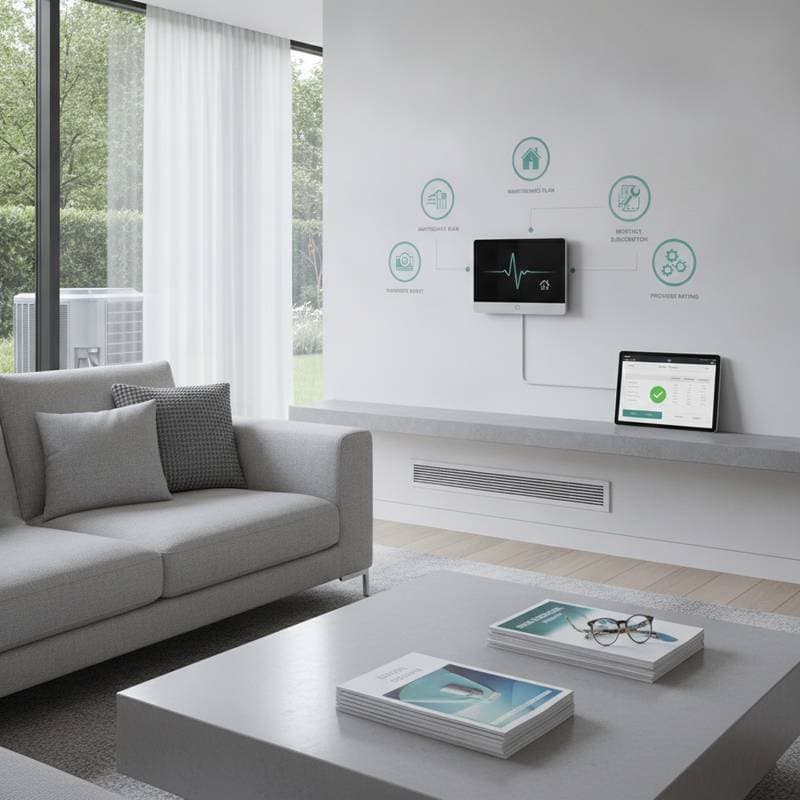

Why 40% of Homeowners Choose Monthly HVAC Maintenance in 2025
Approximately 40% of homeowners select monthly HVAC maintenance plans in 2025 because these subscriptions deliver predictable, affordable, and hassle-free system care. Homeowners avoid sudden repair expenses by paying a modest monthly fee that encompasses inspections, tune-ups, and priority service. This article details the shift toward monthly HVAC plans, outlines their components, and demonstrates how they reduce costs while ensuring year-round home comfort.
| Benefit | What You Get |
|---|---|
| Average Monthly Cost | $15 - $60 |
| Typical Annual Savings | $200 - $600 on repairs and energy |
| Services Included | Inspections, cleaning, tune-ups, filter replacement |
| Bonus Perks | Priority scheduling, discounts on parts and labor |
Average Cost of Monthly HVAC Plans
Monthly HVAC maintenance plans generally range from $15 to $60 per month, varying by provider and system complexity. Standard plans often feature two annual tune-ups, one for heating and one for cooling, plus discounts on parts and repairs. When weighed against a single emergency repair that surpasses $400, such a plan recoups its value quickly.
Premium options at the higher end incorporate additional features, such as air quality assessments, filter shipments, or emergency visit coverage. Homeowners find these investments worthwhile, as they prevent larger issues and promote steady efficiency. Providers tailor pricing to regional factors, like climate demands, to align with local needs.
Key Factors That Affect Monthly HVAC Plan Costs
System Type
Pricing depends on the HVAC system in use. Central air conditioners and furnaces, which are standard, incur lower maintenance fees than specialized setups like geothermal systems or ductless mini-splits. Technicians require more time to inspect intricate components, which elevates the monthly rate accordingly.
Home Size and Number of Units
Larger residences or properties with multiple HVAC units demand extended service efforts. Each unit follows its own maintenance timeline, leading to adjusted monthly payments that reflect the increased scope. Homeowners with expansive homes benefit from plans that scale to cover all systems comprehensively.
Frequency of Service
Options for quarterly services, rather than biannual visits, appeal to some homeowners. Increased frequency raises costs but identifies problems sooner, potentially lengthening system durability. Those in harsh climates often prefer this approach to sustain peak performance.
Plan Inclusions
Comprehensive plans that add air duct cleaning, humidity evaluations, or smart thermostat adjustments provide enhanced care. These elements boost overall system function yet contribute to higher pricing. Homeowners evaluate these extras based on specific indoor air quality goals.
Provider Reputation and Quality
Firms with certified technicians and cutting-edge diagnostic equipment command premium rates. Such investments yield fewer failures and superior energy use, justifying the expense. Selecting a reputable provider ensures reliable, long-term value from the subscription.
Types of HVAC Maintenance Plans
Homeowners select from various plan levels to match their requirements and financial plans.
Basic Plans
Typical cost: $15 - $25 per month
Ideal for: Residences with newer systems still under warranty
Pros:
- Low monthly expense
- Essential inspections and tune-ups included
- Decreased chance of significant failures
Cons:
- Lacks emergency service provisions
- Restricted repair discounts
Basic plans suit homeowners who maintain routine care without extensive add-ons. They focus on core prevention to keep systems running smoothly.
Standard Plans
Typical cost: $25 - $40 per month
Ideal for: Homes with systems aged over five years
Pros:
- Seasonal tune-ups and filter changes covered
- Reductions on parts and labor
- Preferred appointment booking
Cons:
- Omits advanced services like duct cleaning or air quality tests
These plans balance cost and coverage for moderate-use systems. Homeowners gain reliable support without premium pricing.
Premium Plans
Typical cost: $40 - $60 per month
Ideal for: Aging equipment or those desiring full assurance
Pros:
- Complete maintenance and minor repair inclusion
- Emergency response provided
- Prolonged equipment life and enhanced efficiency
Cons:
- Elevated initial monthly outlay
Premium options deliver thorough protection, ideal for high-demand households. They minimize disruptions through proactive measures.
Signs You Need a Monthly HVAC Plan
Consider a monthly plan if these situations resonate:
- Seasonal tune-ups are often overlooked
- Energy statements show consistent increases
- Unusual sounds or frequent cycling occur
- More than one repair has arisen in the last year
- Predictable expenses for upkeep are preferred
- Service scheduling causes reluctance
Routine care halts minor problems from escalating into major expenses. A subscription simplifies upkeep, fostering reliability.
What to Expect During Monthly HVAC Maintenance
Service visits adhere to a systematic protocol to maximize effectiveness.
-
System Inspection
Technicians examine ducts, filters, electrical links, and refrigerant pathways for deterioration or faults. -
Cleaning and Calibration
Coils and blowers receive thorough debris removal, with airflow settings fine-tuned for best results. -
Performance Testing
Measurements of temperature splits, air pressure, and efficiency confirm operational standards. -
Filter Replacement or Delivery
Plans may involve on-site swaps or monthly shipments to maintain clean air paths. -
Preventive Adjustments
Issues like loose components, refrigerant shortages, or drain blockages get resolved promptly. -
Service Report and Recommendations
A detailed overview of system status accompanies advice for ongoing optimization.
This process ensures comprehensive attention, addressing both immediate and potential concerns.
HVAC Labor Costs in Maintenance Plans
Labor expenses drive many toward subscriptions, as individual calls range from $75 to $150 hourly based on expertise. Plans bundle scheduled labor at no extra charge, with only major fixes or parts incurring fees, often at reduced rates. This structure streamlines budgeting for routine needs.
Members also access discounted emergency responses, including 24-hour priority during severe weather. Such provisions avert high costs from urgent breakdowns. Overall, subscriptions transform variable labor into fixed, manageable elements.
Frequently Asked Questions About Monthly HVAC Plans
Why are more homeowners switching to monthly HVAC plans?
Homeowners seek steady expenses and dependable performance. These plans convert irregular repair outlays into steady fees, while guaranteeing regular upkeep.
Are monthly HVAC plans really worth the money?
Affirmative. Consistent maintenance enhances efficiency, averts premature breakdowns, and cuts energy use by up to 15 percent. Repair avoidance typically surpasses plan costs.
Can I cancel an HVAC subscription anytime?
Providers generally permit cancellation via written notice, though some enforce initial terms. Review agreements thoroughly prior to commitment.
Do monthly plans cover both heating and cooling systems?
Yes, most plans encompass both heating and cooling components, with seasonal tune-ups addressing each. This integrated approach maintains full-system readiness.
What happens if I skip a maintenance visit?
Skipping visits forfeits benefits like priority service for that period, and may void certain guarantees. However, no penalties apply; simply reschedule to resume coverage and prevent issues.
Selecting the Right Plan for Lasting Comfort
Monthly HVAC maintenance plans provide assurance, reduced energy expenses, and extended equipment longevity. Distributing costs evenly safeguards both comfort and finances. Homeowners who adopt these plans experience fewer interruptions and greater control over home climate needs.