-
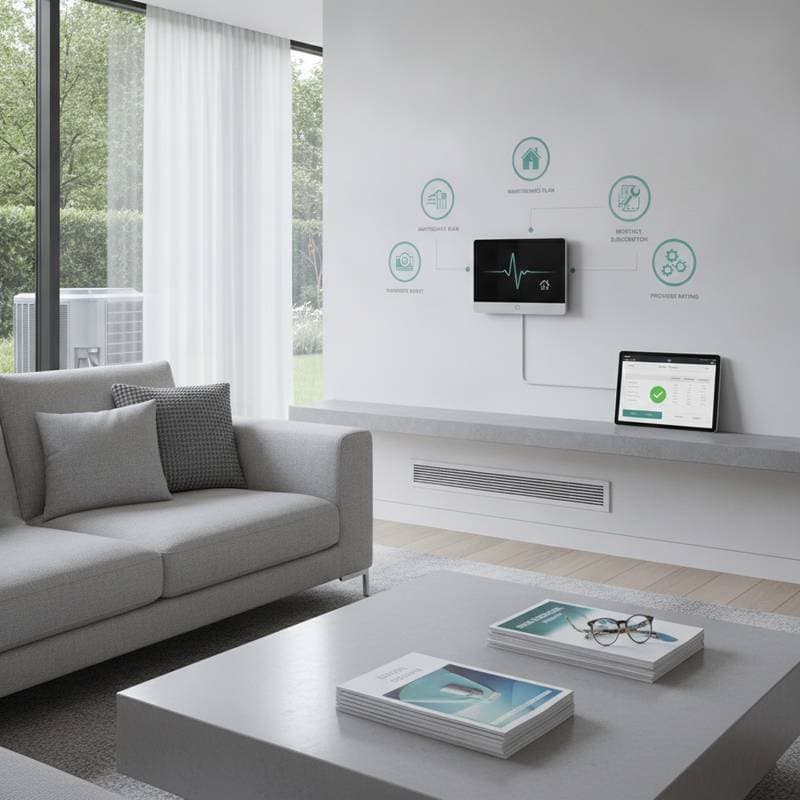
Preventive Maintenance Plans: The predominant choice, featuring semiannual tune-ups and comprehensive system assessments.
Pros: Sustains peak efficiency and diminishes failure risks.
Cons: Excludes coverage for extensive repairs. -
Full-Service Memberships: Encompass routine maintenance alongside reduced rates for repairs.
Pros: Establishes consistent budgeting and eliminates abrupt invoices.
Cons: Entails a modestly elevated monthly fee. -
Extended Warranty Plans: Provide safeguards against component malfunctions extending past standard manufacturer protections.
Pros: Offers reassurance for aging equipment.
Cons: Potential redundancy with preexisting warranties.
Signs You Need an HVAC Maintenance Plan
- Past routine tune-ups have been overlooked.
- Energy bills escalate without an identifiable cause.
- The system experiences recurrent malfunctions or uneven temperature control.
- Predictable expenses and reduced repair disruptions appeal strongly.
- Expedited access and preferential treatment during high-demand periods hold value.
What to Expect During Routine Maintenance
- System Inspection: Technicians examine critical components for signs of deterioration or impairment.
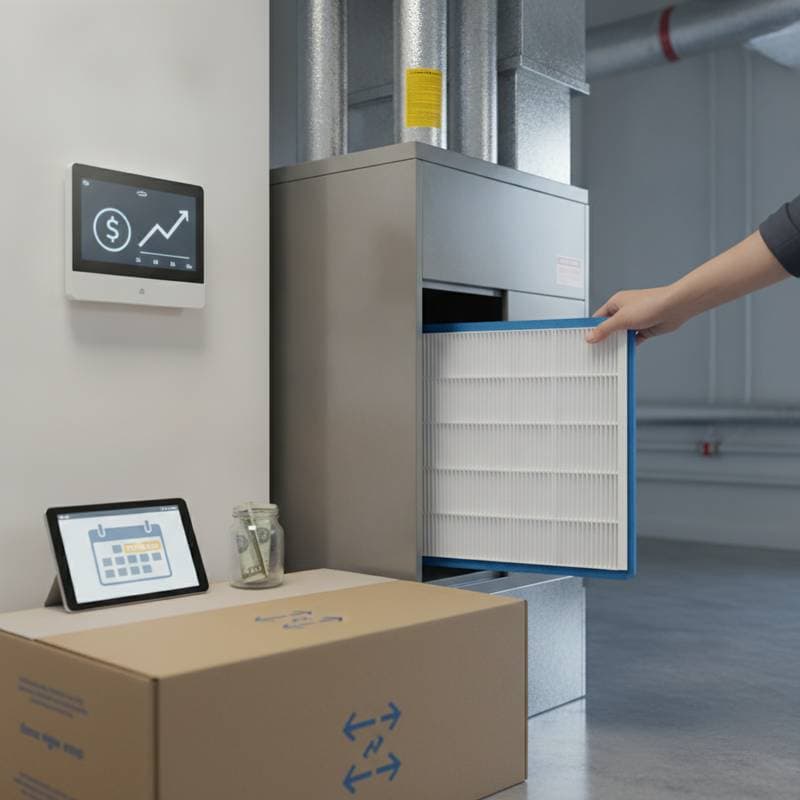
- Cleaning: Essential elements such as coils, filters, and drainage lines receive thorough cleaning to optimize airflow and performance.
- Performance Testing: Measurements assess temperature differentials, refrigerant pressure, and air circulation rates.
- Calibration: Adjustments ensure thermostats and control mechanisms operate with precision.
- Report and Recommendations: A detailed overview of system status accompanies advice on necessary interventions.
Why Monthly HVAC Plans Deliver Lasting Value
Monthly HVAC plans transform reactive repairs into proactive strategies, yielding tangible financial and operational advantages. Homeowners report average energy savings of 15 percent through optimized system performance, which counters the upward trajectory of utility rates projected for 2025. Beyond cost reductions, these plans mitigate downtime during extreme weather, ensuring consistent indoor comfort.
Priority service access proves invaluable during peak seasons, when wait times for non-subscribers can extend to weeks. Comprehensive coverage also identifies minor issues early, preventing escalation into major overhauls that average $1,500 or more. In essence, subscribers invest in reliability, transforming potential vulnerabilities into sustained efficiency.
Frequently Asked Questions About HVAC Subscription Plans
How much can I save with a maintenance plan?
Homeowners typically achieve 10 to 20 percent reductions in energy expenses and repair outlays by maintaining clean, well-tuned systems.
Are maintenance plans transferable if I sell my home?
Yes. Numerous providers permit plan transfers to subsequent owners, enhancing property marketability.
Can I cancel my membership at any time?
Most organizations maintain adaptable cancellation terms, although certain plans stipulate a commitment period or formal notification.
What happens if my system breaks down under a plan?
Plan tier determines the response: discounts or waived fees apply to qualifying repairs.
Do I still need a warranty if I have a subscription plan?
Yes. Maintenance plans augment warranties by promoting operational efficiency, while warranties address component defects.
Steps to Select and Start Your HVAC Maintenance Plan
Evaluate your current system age and usage patterns to identify ideal coverage levels. Contact local providers for personalized quotes, comparing inclusions like filter replacements and emergency support. Enroll through a simple online form or phone consultation, often activating services within days. This proactive step secures year-round protection and peace of mind for your home's essential climate control.