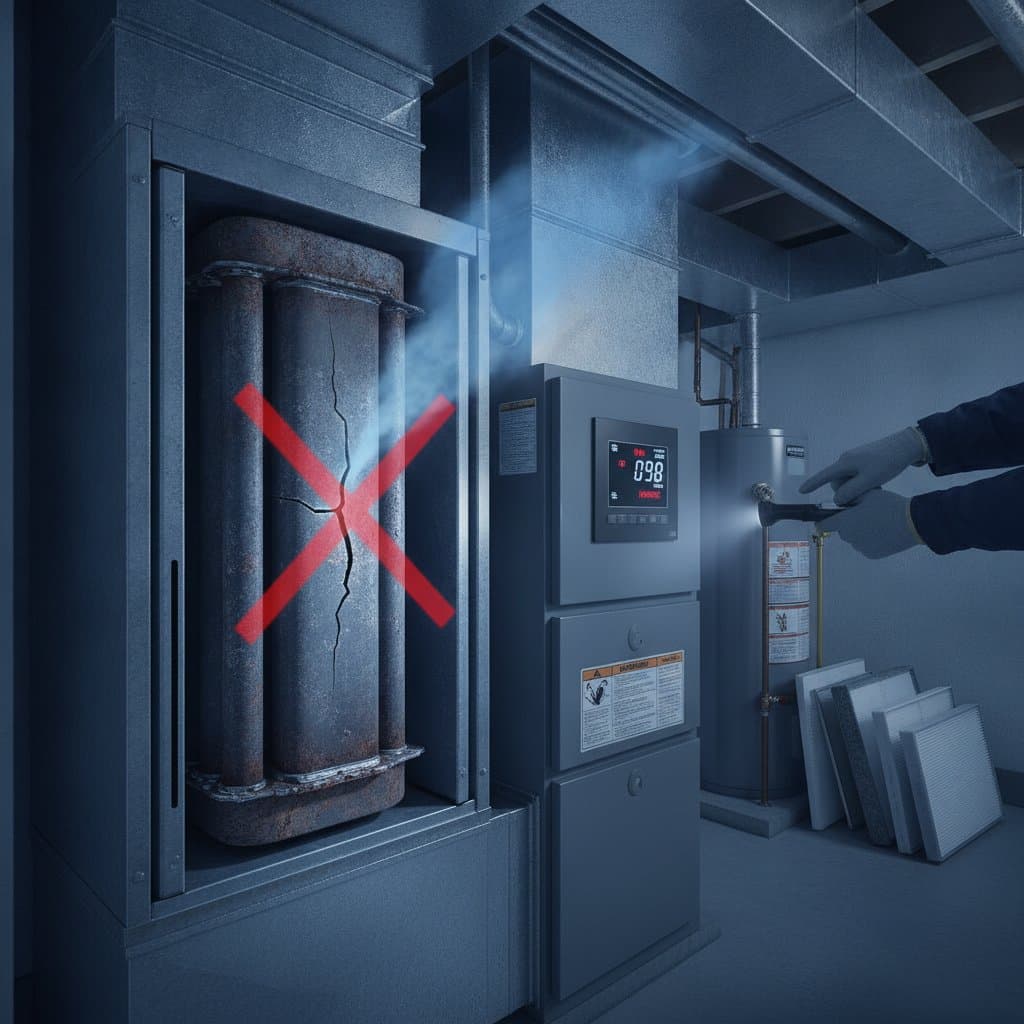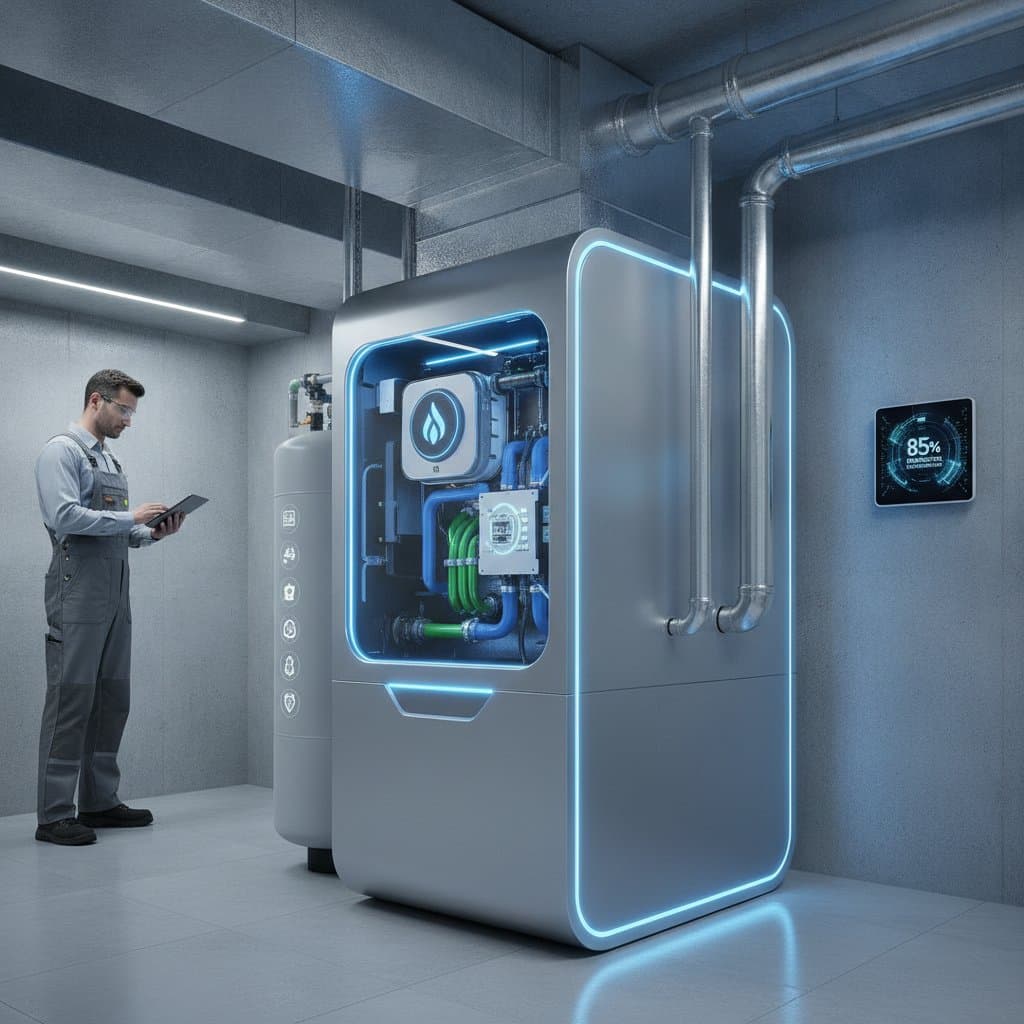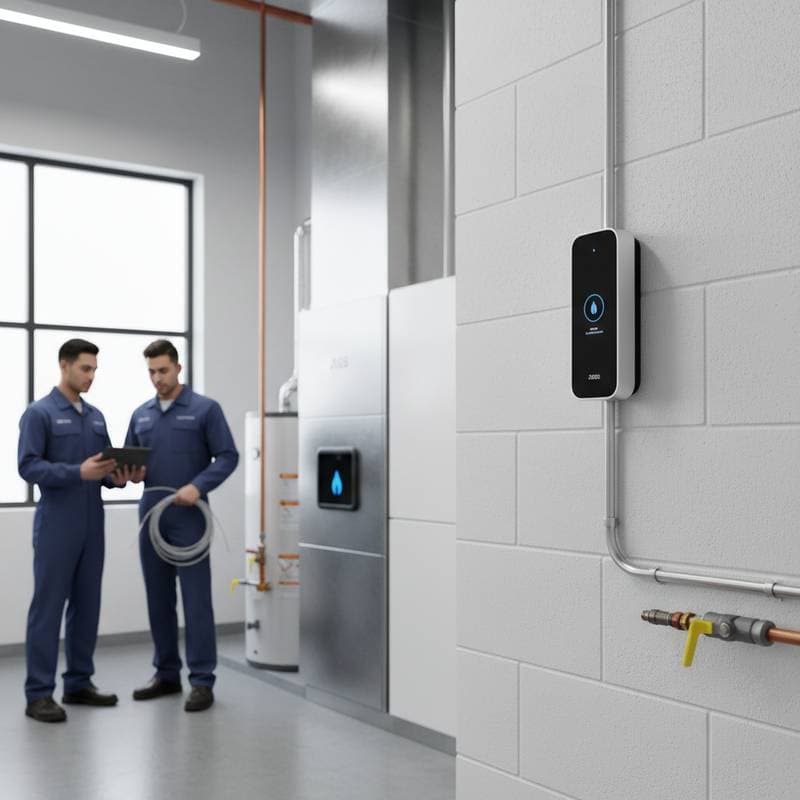
HVAC systems represent a primary source of potential CO leaks due to combustion processes. The code applies to new constructions and major renovations in residential and commercial settings. Homeowners benefit from early awareness of this rule to plan installations without disruption.
This guide covers the code's implications, compliance strategies, and practical advice for implementation. It addresses placement, costs, and maintenance to equip readers with the knowledge needed for effective preparation.
Prioritizing HVAC Rooms for CO Safety
Fuel-burning appliances generate carbon monoxide during operation. Malfunctions or venting issues can lead to rapid accumulation, especially in enclosed HVAC spaces with limited airflow. The code focuses on these areas to intercept hazards at their origin.
Key objectives include protecting building occupants from silent CO buildup. The requirement also streamlines routine maintenance by signaling combustion problems promptly. Property managers gain support in meeting insurance standards and reducing operational risks.
Addressing HVAC rooms directly prevents CO from migrating to occupied zones. This targeted approach aligns with broader goals of elevating indoor air quality across structures.
Guidelines for CO Detector Placement and Installation
Compliance demands precise installation following manufacturer instructions and local codes. Effective placement ensures reliable detection without interference from environmental factors.
Optimal Placement Locations
- Position detectors at breathing level, between 4 and 6 feet from the floor.
- Locate them close to HVAC units, avoiding direct exposure to exhaust vents.
- Keep units distant from moisture sources like drains or humidifiers.
- Ensure easy access for regular testing and battery changes.
Monthly testing involves activating the unit's test function. Replacement occurs every 5 to 10 years, as sensor sensitivity declines over time. Professional verification confirms adherence to these standards during setup.
Advantages of Implementing the HVAC CO Detector Requirement
Beyond meeting legal obligations, this code delivers tangible safety enhancements. Occupants experience greater security through vigilant monitoring of potential threats.
Early leak detection minimizes health risks associated with CO exposure. Proactive alerts reduce the need for emergency interventions. Certified installations may qualify properties for insurance premium reductions.
Enhanced safety features contribute to higher property appraisals. The investment in detectors proves cost-effective when weighed against the consequences of undetected issues.
Frequently Asked Questions on CO Detectors in HVAC Rooms
Does the Code Apply to Every HVAC Room?
The requirement covers rooms with fuel-burning devices like furnaces or water heaters. Systems relying solely on electricity generally exempt from this mandate, though voluntary installation adds an extra safety layer. Consult local authorities for jurisdiction-specific variations.
What Is the Recommended Testing Frequency?
Manufacturers advise monthly tests using the built-in button to verify functionality. Replace batteries annually or opt for models with sealed, long-life power sources. Consistent checks maintain peak performance.
What Is the Service Life of CO Detectors?
Devices typically operate effectively for 5 to 10 years. Beyond this period, internal sensors degrade, necessitating full replacement regardless of outward condition. Track installation dates to schedule timely updates.
Are Smart CO Detectors Acceptable for Compliance?
Smart models qualify if they hold relevant safety certifications. These units offer remote notifications, app-based testing, and compatibility with automated home systems. Select options that integrate seamlessly with existing setups.
What to Expect from a Code Compliance Inspection
Inspectors examine detector positioning, operational status, and certification labels. They may evaluate HVAC venting and combustion efficiency to confirm low leak potential. Prepare documentation of recent installations or tests to facilitate the process.
Steps to Prepare for the 2026 CO Detector Mandate
Proactive measures allow ample time for assessment and upgrades before the deadline. Begin by reviewing current systems to identify compliance gaps.
Preparation Checklist
- Evaluate HVAC components for fuel-burning elements.
- Map all relevant mechanical or utility rooms.
- Select UL-listed detectors suited to your environment.
- Arrange professional installation for accuracy and warranty.
- Maintain records of work performed for reference.
These actions secure immediate protection and position properties ahead of enforcement. Early compliance avoids penalties and supports smooth transitions.
Engaging Professionals for CO Detector Installation
Licensed contractors bring expertise in code navigation and system integration. Their involvement ensures installations meet durability and performance expectations.
Essential Questions for Contractors
- Do you have experience with the 2026 HVAC CO detector regulations?
- Which detector model suits my specific equipment?
- Should I choose hardwired or battery-operated units here?
- How many detectors ensure complete coverage?
- Does the service include HVAC leak testing?
- Will you supply installation certificates?
- What maintenance schedule do you suggest?
- Can these connect to my alarm or smart home network?
- What are the costs for materials and labor?
- Are rebates available for safety upgrades?
Detailed responses guide informed decisions and prevent oversights.
Ensuring Ongoing HVAC Safety and Compliance
Sustained vigilance preserves the effectiveness of CO detectors and HVAC systems. Integrate monthly tests into routine home maintenance calendars. Annual professional inspections verify venting integrity and detector calibration.
Monitor for signs of wear in fuel-burning appliances, such as unusual odors or performance dips. Update detectors proactively to align with lifespan guidelines. This disciplined approach sustains safety benefits and upholds code adherence over time.
Property owners who prioritize these practices create resilient environments. The result is reduced risk, operational efficiency, and confidence in daily living spaces.