DIY Filters Slashed Our HVAC Repairs by 55%
Replacing HVAC filters serves as a straightforward maintenance task that reduces repair costs by more than half. Homeowners who maintain a regular schedule for filter changes experience up to a 55 percent decrease in repair frequency and enjoy extended system longevity. This preventive measure maintains cleaner air, ensures efficient operation, and preserves financial resources. The following guide details the process of DIY filter replacement, explains the science of MERV ratings, and highlights the substantial savings from this routine practice.
| Item | Key Benefit |
|---|---|
| Average Repair Cost Reduction | Up to 55% |
| Recommended Filter Type | MERV 8 to MERV 13 |
| Filter Replacement Frequency | Every 1 to 3 months |
| Cost per Filter | $10 to $40 depending on rating |
| Time Required | 5 to 10 minutes |
Average Filter Replacement Costs
High-quality air filters remain affordable, particularly when compared to the expense of major HVAC repairs. Expect to spend the following amounts on common options.
- Standard MERV 8 filters: $10 to $20 each
- MERV 11 filters: $20 to $30 each
- MERV 13 filters: $30 to $40 each
Replacing filters every few months keeps annual expenses below $150 for typical households. This investment contrasts sharply with repair bills ranging from $300 to $1,200, which often stem from issues like clogged coils, dirty blowers, or restricted airflow. Regular filter maintenance stands out as one of the most reliable methods for preventing HVAC problems.
Key Factors That Affect Filter Performance and Cost
Multiple elements influence spending and savings associated with DIY filter replacement.
MERV Rating
MERV represents Minimum Efficiency Reporting Value, a standardized scale that evaluates a filter's capacity to capture airborne particles. Higher ratings indicate superior filtration of smaller contaminants.
- MERV 8: Captures dust, pollen, and lint. This rating offers an optimal mix of affordability and effectiveness for standard residential use.
- MERV 11: Provides additional defense against pet dander and smoke. Households with allergy sufferers benefit most from this level.
- MERV 13: Traps bacteria and fine particulates. Professionals recommend it for homes with respiratory concerns or in areas with poor outdoor air quality.
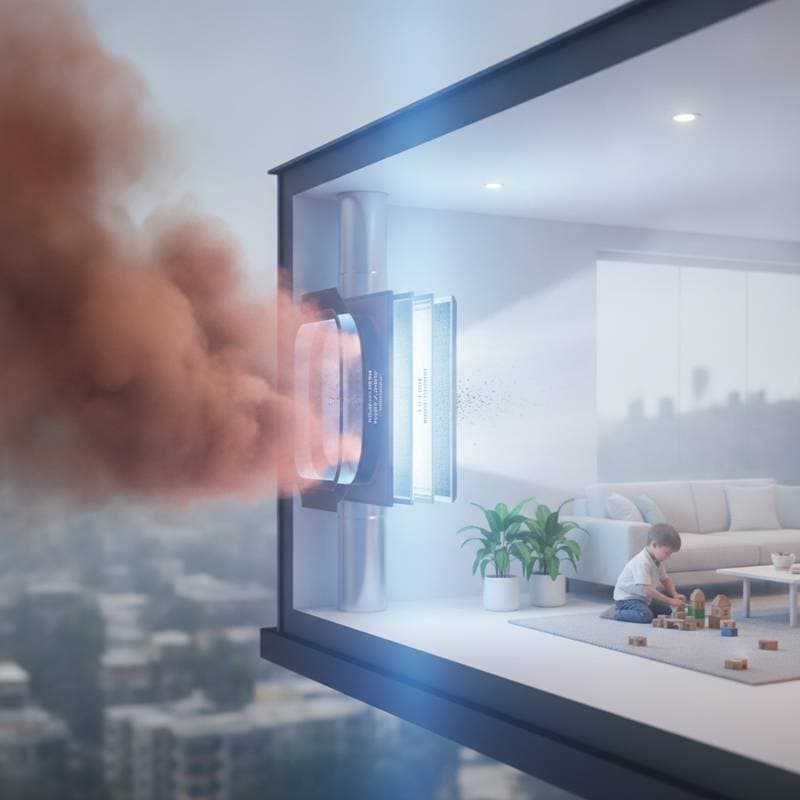
Although higher MERV filters carry a greater upfront cost, they minimize strain on the HVAC system by preventing dirt accumulation on internal parts.
Filter Size and Fit
Filters vary in dimensions, and improper sizing permits unfiltered air to circumvent the barrier. Examine the measurements on the frame of the existing filter to select a precise match. A secure fit guarantees effective filtration while maintaining adequate airflow.
Frequency of Replacement
Homeowners replace filters every one to three months, adjusted for environmental factors. Residences with pets, tobacco use, or elevated dust require more frequent intervals. Even with increased replacements, expenses remain well below the price of a professional service visit.
System Type and Usage
Central air conditioners and heat pumps rely on consistent airflow for optimal performance. Clogged filters compel the system to labor excessively, increasing electricity consumption and accelerating component wear. Routine filter changes safeguard the blower motor and stabilize energy costs.
Types of HVAC Filters
Selection of the appropriate filter hinges on household requirements and system specifications. Consider these prevalent varieties.
- Fiberglass Filters: The most economical choice, these capture only large particles. They protect equipment adequately but offer limited enhancement to indoor air quality.
- Pleated Filters (MERV 8-13): These provide the ideal blend of particle capture and air passage. Constructed from folded polyester or cotton media, they effectively trap dust and allergens.
- Electrostatic Filters: These employ static charge to draw in particles. Washable and reusable, they involve a higher initial investment.
- HEPA Filters: These deliver exceptional filtration but may impede airflow in conventional residential setups unless engineered specifically for such use.
For most households, pleated filters rated MERV 11 or MERV 13 deliver the strongest improvements in air purity and system dependability.
Signs You Need a Filter Change
Adhering to a replacement schedule proves essential, yet the HVAC system often signals the need for action through observable indicators.
- Airflow diminishes noticeably at the vents.
- Dust settles rapidly on furniture and surfaces.
- Energy bills increase despite stable temperatures.
- The system operates in extended cycles or frequent short bursts.
- The filter displays evident dirt buildup or discoloration.
Overlooking these warnings risks costly interventions, including blower motor failure or evaporator coil freezing.
The DIY Filter Replacement Process
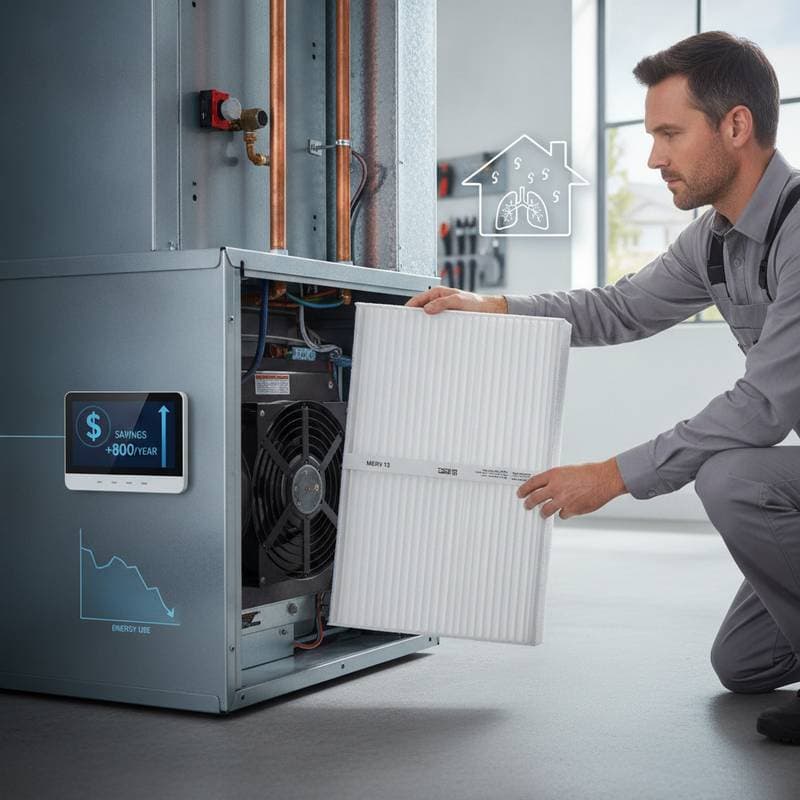
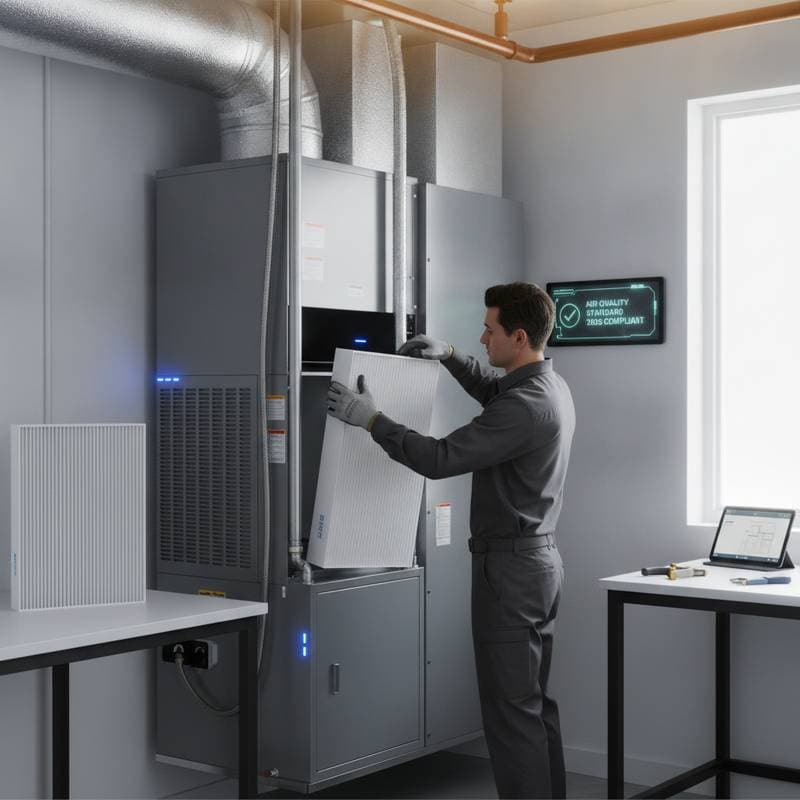
Filter replacement qualifies as one of the easiest residential upkeep procedures. Completion typically requires less than ten minutes.
- Turn off the system. Power down the HVAC unit prior to handling the filter to avoid dispersing debris into the ducts.
- Locate the filter compartment. Access occurs behind a return air grille or within the air handler unit.
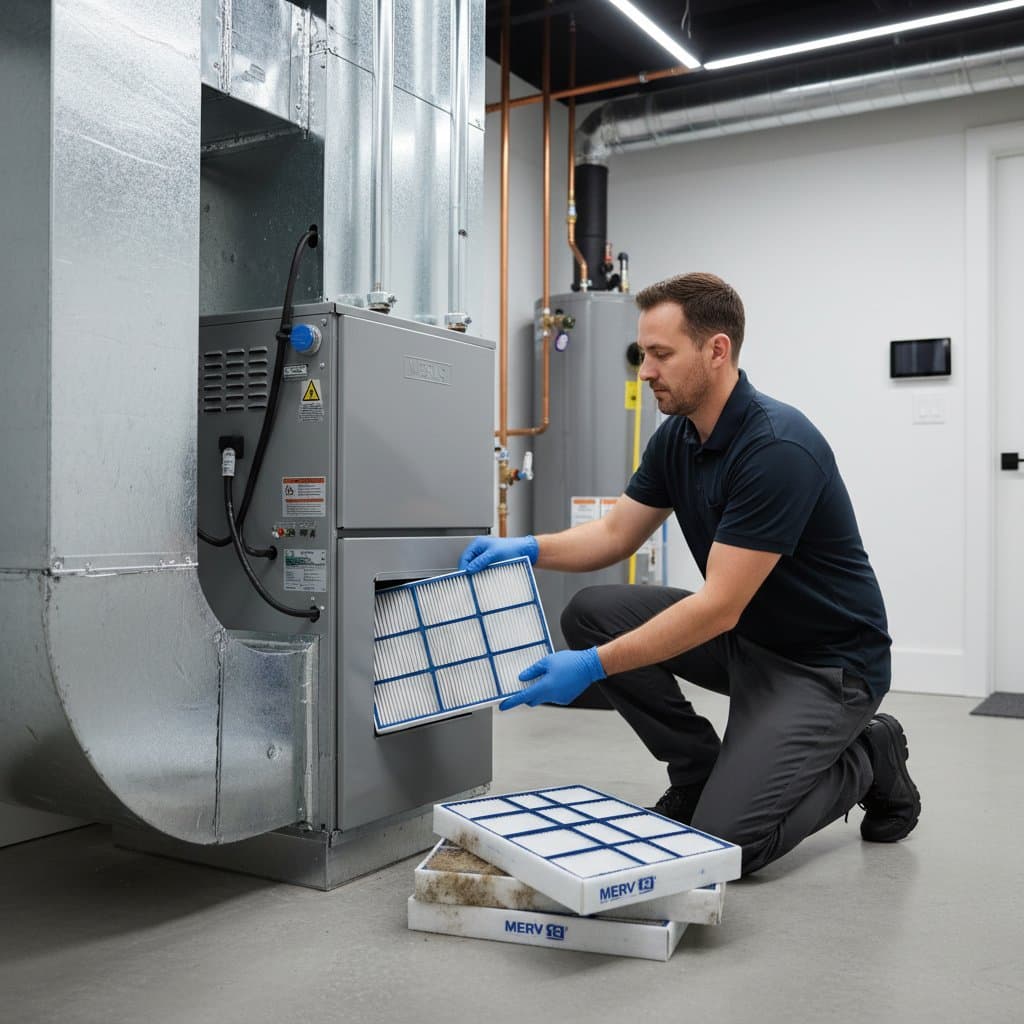
- Remove the old filter. Extract it gently to minimize dust release into the living space.
- Check the airflow direction arrow. The arrow on the filter frame must orient toward the blower motor or into the ductwork.
- Insert the new filter. Position it firmly, ensuring no spaces exist around the edges.
- Record the date. Note the installation date on a calendar or the filter frame for tracking purposes.
- Restart the system. Restore power and benefit from enhanced, efficient air circulation.
Consistent DIY replacements demand little time yet can prolong system durability by years.
HVAC Labor Costs Without Preventive Maintenance
Neglecting filters leads to recurrent professional interventions. Typical repair expenses encompass:
- Blower motor replacement: $400 to $900
- Evaporator coil cleaning or replacement: $450 to $1,200
- Compressor repair: $800 to $2,500
- Thermostat or electrical repairs: $150 to $400
Many of these problems trace back to airflow limitations and dust accumulation. Proactive filter care preserves component integrity and averts labor-heavy fixes.
Frequently Asked Questions About DIY HVAC Filters
How do I choose the right MERV rating?
Most residences perform well with MERV 8 to MERV 11 filters. Opt for MERV 13 in cases of allergies, pets, or suboptimal external air quality. Ratings above 13 may hinder airflow in systems not designed to accommodate them.
Can I clean and reuse disposable filters?
No. Cleaning disposable filters compromises the media structure and diminishes capture efficiency. Always install fresh replacements.
Do thicker filters last longer?
Yes. Filters with greater depth and pleats hold more contaminants, potentially enduring up to three months. Verify compatibility with manufacturer guidelines for the HVAC model.
Does changing my filter really reduce energy costs?
Yes. Unobstructed filters facilitate smoother air movement, lowering power demands. Homeowners frequently observe reductions in monthly utility statements following diligent maintenance.
What happens if I forget to replace my filter?
A blocked filter impedes airflow, compelling the system to strain. Consequences include elevated energy consumption, inconsistent heating or cooling, and accelerated deterioration of parts.
Are MERV 13 filters safe for all systems?
Not necessarily. These filters may reduce airflow excessively in older or lower-capacity units, potentially causing inefficiency or damage. Review the system manual or consult a technician to confirm suitability.
How do I know if my filter fits correctly?
A proper fit features tight seals along all edges with no visible gaps. During operation, listen for unusual whistling sounds, which indicate air leakage and require adjustment.
Build Lasting System Efficiency Through Routine Care
Integrate filter replacement into a broader maintenance routine to maximize benefits. Track replacements alongside seasonal inspections and duct cleaning for comprehensive protection. This approach not only curbs repair expenses but also enhances comfort and air quality year-round. Homeowners who commit to these practices secure reliable performance and substantial long-term value from their HVAC investment.