Understanding the New HVAC Noise Regulations
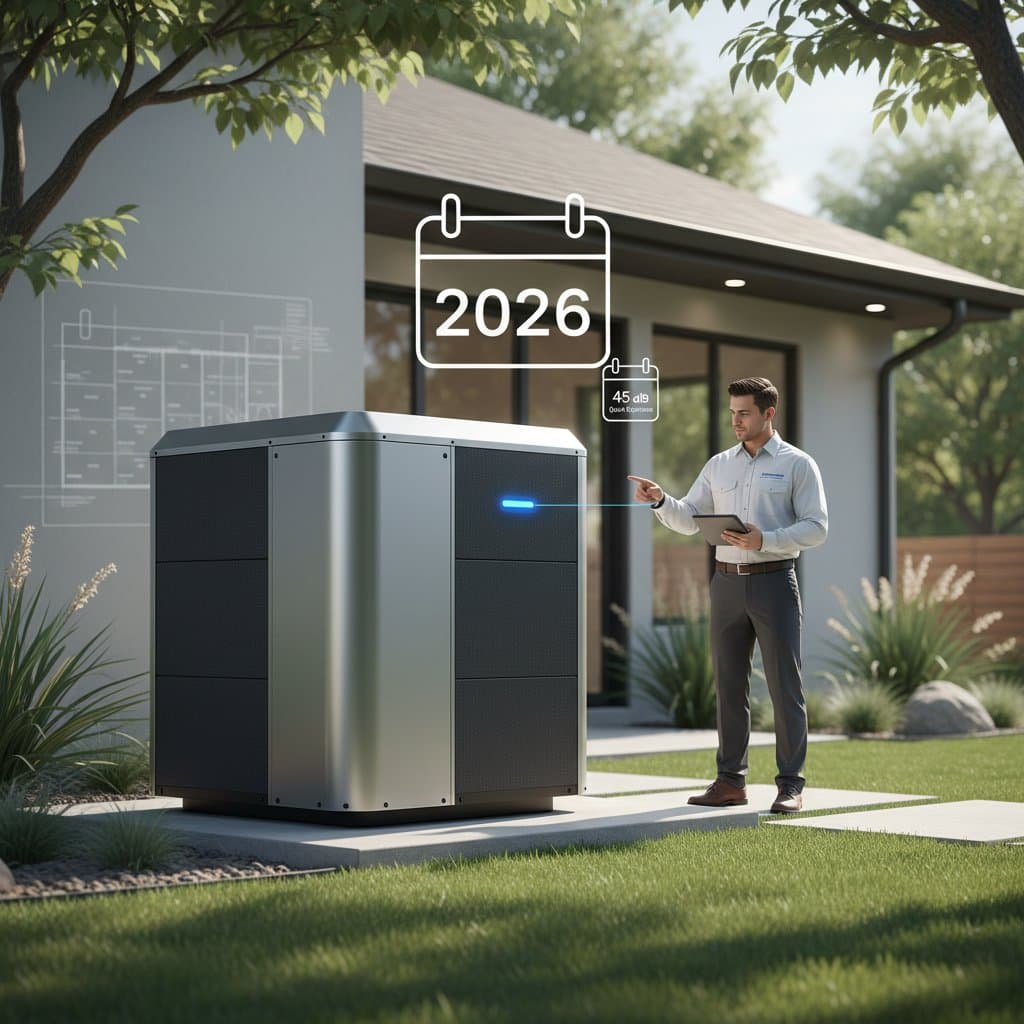
Starting in 2026, 18 states introduce regulations that cap the noise levels of outdoor HVAC units. These laws target excessive sound from air conditioners, heat pumps, and furnaces to foster quieter residential and commercial environments. The initiative addresses common complaints about disruptive equipment noise, particularly during peak usage seasons.
The regulations specify maximum decibel levels, typically ranging from 50 to 60 dB at a distance of 25 feet from the unit, depending on the state and property type. Enforcement will involve local inspections for new installations and significant replacements. Non-compliance may result in fines or required modifications, making proactive preparation essential for property owners.
These changes stem from broader environmental and quality-of-life goals. By curbing noise pollution, states aim to reduce stress on communities and align with urban planning standards. Homeowners benefit from incentives like rebates for efficient, low-noise systems that also lower utility bills.
Factors Influencing HVAC Noise Levels
Several elements determine how loud an HVAC system operates. Identifying these helps in selecting or maintaining units that align with the new standards.
-
Unit Design: Single-stage compressors cycle on and off abruptly, creating noticeable hums and rattles. In contrast, two-stage or modulating designs run at partial capacity for smoother, quieter performance.
-
Location and Placement: Units near bedrooms or property lines amplify sound transmission. Proper setbacks and site assessments during installation minimize this issue.
-
Age and Wear: Older systems develop inefficiencies, such as frayed belts or degraded insulation, which elevate noise over time.
-
Installation Quality: Poorly mounted or unbalanced units vibrate more, increasing noise. Secure mounting on stable pads and precise leveling prevent such problems.
-
Maintenance: Dust buildup, worn bearings, and loose screws all increase sound levels over time. Regular inspections catch these issues early.
-
Technology: Modern variable-speed compressors and inverter systems operate more quietly than traditional single-speed models. These advancements reduce operational strain and sound output.
By understanding these variables, homeowners make informed decisions when upgrading or replacing systems to meet regulatory demands.
Quiet HVAC Options for Compliance
Manufacturers respond to the regulations with innovative, low-noise models. When planning a replacement or new installation, consult contractors about these solutions tailored for quieter operation.
Variable-Speed Heat Pumps
Variable-speed heat pumps modulate compressor and fan speeds according to heating or cooling needs. This adjustment ensures consistent performance without the loud startups common in fixed-speed units. Beyond noise reduction, these systems enhance energy efficiency by up to 30 percent and provide even indoor temperatures.
Ductless Mini-Splits
Ductless mini-split systems feature compact outdoor units paired with indoor air handlers that produce minimal sound, often below 20 dB indoors. They suit homes requiring targeted zoning, such as additions or rooms without ductwork. The design eliminates noisy duct vibrations, offering flexible installation with noise control in mind.
Sound-Insulated Condensers
Certain condenser units incorporate built-in insulation around the compressor and fan motor. This dampens vibrations and lowers decibel output by 5 to 10 dB compared to standard models. Select units certified for low sound ratings to ensure they satisfy state-specific limits.
Rooftop Units with Acoustic Shielding
For commercial buildings or multi-family residences, rooftop HVAC units equipped with acoustic enclosures or vibration isolators comply with stringent noise rules. These features maintain airflow efficiency while containing sound within the unit housing. Professional engineering ensures integration without compromising system reliability.
Compare options using manufacturer sound ratings in decibels (dB). Aim for ratings under 55 dB for residential applications to exceed basic compliance.
Preparing for Compliance
Advance planning positions homeowners to navigate the 2026 changes smoothly. Follow these steps to assess and adapt current setups.
-
Schedule a sound level check: Professionals use decibel meters to evaluate your system's output against forthcoming limits, identifying potential issues.
-
Plan for upgrades: If your unit approaches 10 to 15 years of age, prioritize replacement with compliant models to avoid rushed decisions later.
-
Check local permits: Municipalities often mandate noise certification for approvals; verify requirements through your city's building department.
-
Add sound barriers: Install fencing at least 6 feet high, acoustic panels, or dense landscaping to deflect noise, provided airflow remains unobstructed.
-
Keep up with maintenance: Annual tune-ups address wear that amplifies sound, extending unit life and supporting compliance efforts.
These actions not only prevent violations but also optimize system performance for long-term savings.
DIY Noise Reduction vs. Hiring a Pro
Homeowners handle basic adjustments, while complex tasks demand expert intervention to ensure safety and effectiveness.
What Homeowners Can Safely Do
-
Clear debris, leaves, or branches from around the outdoor unit to prevent airflow restrictions that strain the fan.
-
Tighten visible screws on access panels to eliminate rattles from loose components.
-
Replace air filters regularly to improve airflow and reduce motor strain that generates excess noise.
-
Add a sound-absorbing fence or plants around the unit, ensuring proper airflow: Position barriers at least 3 feet away to avoid overheating.
What Requires a Professional
-
Adjusting refrigerant levels or electrical components: Improper handling risks system damage or safety hazards.
-
Replacing compressors, motors, or fans: These involve specialized tools and knowledge of HVAC codes.
-
Installing vibration isolation pads or relocating the unit: Experts ensure structural integrity and optimal placement.
-
Measuring system noise output for compliance certification: Certified technicians provide documented reports for inspections.
Delegating technical work to licensed pros guarantees adherence to standards and warranties.
Frequently Asked Questions
Will existing HVAC systems require replacement?
Most regulations target new installations and major replacements. Systems in good condition that meet noise thresholds through inspection may continue in use without immediate change.
How to verify if a system complies with noise standards?
Review manufacturer specifications for decibel ratings, then have a contractor measure operational sound levels. This confirms real-world performance against regulatory caps.
Do quieter systems cost more?
Initial prices for advanced quiet models range 20 to 40 percent higher, yet efficiency gains reduce energy costs by 15 to 25 percent annually. Durability further balances the investment.
Can sound barriers achieve compliance?
Effective barriers, such as louvered fences or absorptive materials, lower transmitted noise by 10 to 15 dB. Design them to comply with building codes and maintain unit ventilation.
What penalties follow non-compliance?
Inspectors issue warnings or citations, potentially requiring fixes within 30 to 90 days. Fines vary by locality, often starting at 100 to 500 dollars per violation.
Steps to Secure Quieter Home Comfort
Implement these regulations as an opportunity to enhance your HVAC setup. Conduct an audit of your current system soon to identify compliance gaps. Explore rebates from utilities or states for efficient upgrades that deliver lasting quiet and savings. With informed choices, homeowners transition seamlessly to the new standards, enjoying improved neighborhood harmony and reliable performance.