How a 15-Point Spring Tune-Up Reduces 2025 Energy Costs
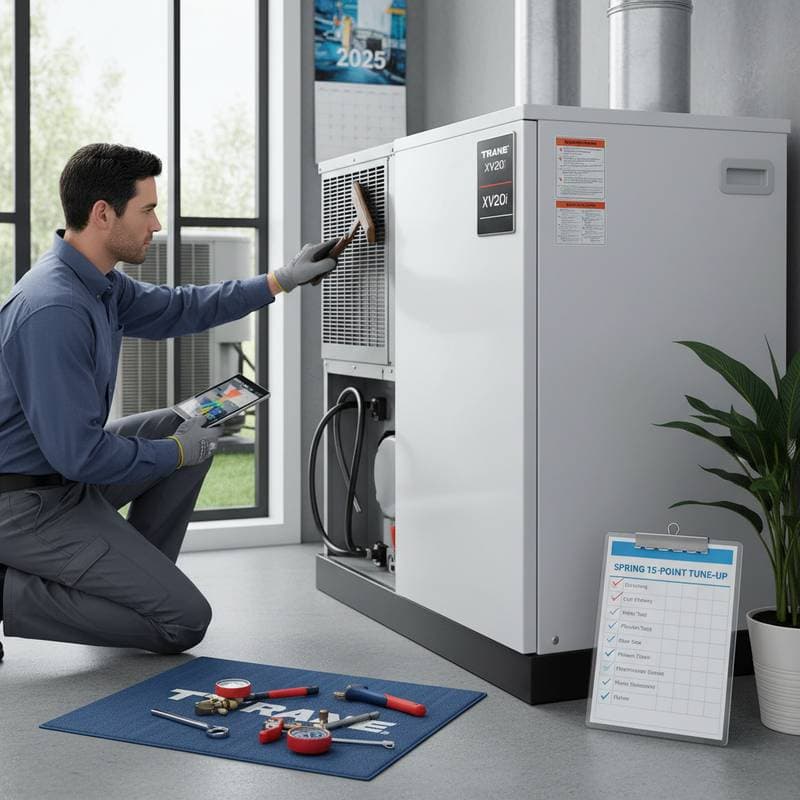
A professional 15-point spring HVAC tune-up enhances system efficiency, averts breakdowns, and prolongs equipment life. Homeowners typically pay between $75 and $200 for this service, yet the resulting energy savings during the cooling season often exceed that investment. Preventive maintenance allows air conditioners or heat pumps to operate reliably in warmer weather while minimizing energy consumption.
This guide details the key components of a spring HVAC tune-up, outlines expected costs, highlights benefits, and provides a comprehensive checklist of the 15 inspection points that technicians employ. Readers will also learn how consistent maintenance influences energy use and gain tips for selecting service providers.
The 15-Point HVAC Tune-Up Checklist
Trained technicians adhere to a systematic checklist to verify that all system elements function optimally. Every procedure targets performance, safety, and energy efficiency.
1. Thermostat Calibration
Technicians adjust the thermostat to ensure precise temperature readings and seamless system communication. Accurate calibration avoids short cycling, which wastes energy, or overcooling, which strains components.
2. Electrical Connection Inspection
Loose wires receive tightening, and voltage levels undergo testing. Secure connections safeguard against blown fuses and premature compressor failure, maintaining stable operation.
3. Condenser Coil Cleaning
Outdoor condenser coils accumulate dirt, pollen, and debris over winter. Technicians clean these surfaces to optimize heat transfer and ease compressor workload, directly boosting efficiency.
4. Evaporator Coil Evaluation
Indoor evaporator coils receive inspection for dirt buildup or corrosion. Thorough cleaning enhances cooling effectiveness and promotes even airflow distribution.
5. Refrigerant Level Check
Technicians measure refrigerant levels and adjust them to manufacturer guidelines. Balanced refrigerant supports peak cooling performance without excessive energy draw.
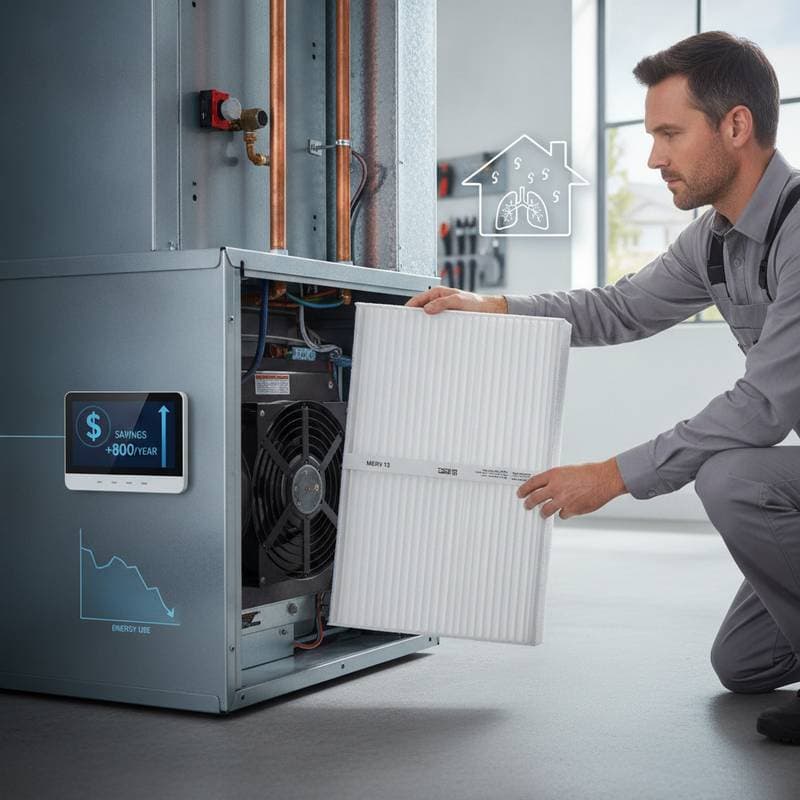
6. Air Filter Replacement or Cleaning
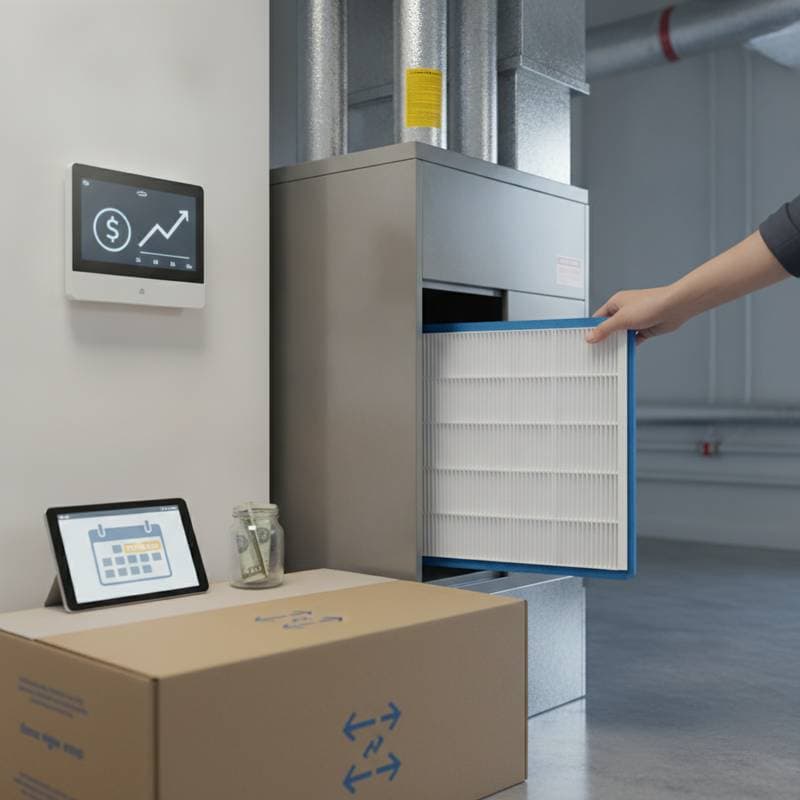
Clogged filters impede airflow and elevate energy demands. Technicians replace or clean filters to restore unrestricted circulation and reduce operational strain.
7. Blower Motor and Fan Inspection
Moving parts in the blower motor and fans undergo lubrication and examination. Well-maintained components deliver consistent airflow, ensuring balanced comfort throughout the home.
8. Ductwork Assessment
Duct systems face evaluation for leaks, blockages, or insulation gaps. Sealing identified issues prevents conditioned air loss, which can account for up to 30 percent of energy waste.
9. Drain Line Cleaning
Condensate drain lines clear of obstructions to avoid water backups that lead to damage or mold growth. Proper drainage maintains humidity control and system reliability.
10. Condensate Pump Check
For systems equipped with condensate pumps, technicians test functionality to confirm efficient moisture removal. Reliable pumps prevent flooding and support indoor air quality.
11. Safety Control Testing
Safety switches and sensors receive verification for responsiveness. Functional controls mitigate risks of overheating, electrical faults, or hazardous malfunctions.
12. Capacitor and Contactors Testing
Electrical capacitors and contactors undergo wear assessment. Proactive replacement of degraded parts forestalls unexpected failures and extends overall system durability.
13. Airflow Measurement
Technicians gauge static pressure and air volume to validate adequate cooling delivery to every room. Precise measurements allow for adjustments that eliminate hot spots.
14. System Start-Up and Shut-Down Check
The system cycles through start and stop sequences under observation. Fluid transitions lessen wear on motors and compressors, promoting longevity.
15. Overall Performance Analysis
A holistic review assesses the system's efficiency metrics. Fine-tuning of timing, refrigerant charge, or airflow settings achieves maximum operational standards.
Factors Influencing Tune-Up Costs and Outcomes
Multiple variables determine the expense of a tune-up and its effectiveness in curbing energy costs.
System Type
Central air conditioners, heat pumps, and ductless mini-splits demand tailored maintenance approaches. High-efficiency or multi-zone setups often involve specialized diagnostics, potentially increasing service time.
System Age
Units over 10 years old frequently exhibit accelerated wear, such as degraded electrical parts or refrigerant leaks, which may elevate costs beyond routine cleaning.
Accessibility
Systems in hard-to-reach locations, like attics or rooftops, extend technician labor. Expect modest surcharges for such placements to cover safety and access challenges.
Local Labor Rates
Regional differences affect pricing; metropolitan areas command higher fees due to demand and overhead. Rural services might offer competitive rates with prompt availability.
Maintenance Frequency
Annual tune-ups limit buildup and simplify procedures, stabilizing long-term costs. Infrequent servicing leads to intensive interventions that drive up immediate expenses.
Spring HVAC Tune-Up FAQs
How Often Do HVAC Systems Require Tune-Ups?
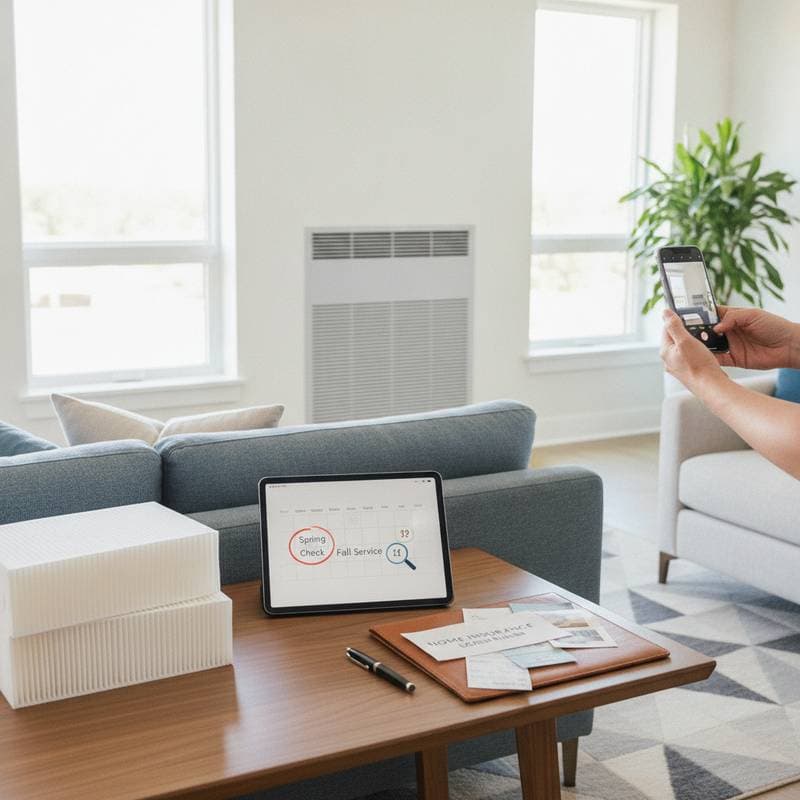
Industry standards advise annual professional servicing, preferably in spring prior to peak cooling demands. This timing facilitates early issue detection and sustains peak efficiency.
What Does a Typical HVAC Tune-Up Entail?
Comprehensive tune-ups encompass inspections, cleanings, calibrations, lubrications, and performance evaluations. Technicians scrutinize refrigerant, electrical systems, airflow dynamics, and safety mechanisms.
How Long Does a Tune-Up Last?
Most 15-point inspections span one to two hours. Complex or oversized systems may extend to three hours for exhaustive analysis.
Do Tune-Ups Generate Real Savings?
Affirmative; routine care trims energy consumption by 5 to 15 percent, averts repair bills averaging $300 to $1,000, and defers replacement costs. Efficiency gains translate to lower utility statements.
What Signals Prompt Maintenance?
Indicators include inconsistent room temperatures, rising energy bills, unusual sounds from the unit, or diminished airflow. Prompt action thwarts summer disruptions and escalates repair needs.
Securing Reliable Tune-Up Quotes
Engage certified HVAC professionals for precise diagnostics and compliant servicing. Solicit itemized proposals to verify coverage of all 15 checklist items.
Essential Questions for Providers
- Which tasks comprise your tune-up protocol?
- Does the fee cover filter replacements or refrigerant recharges?
- Do maintenance contracts or discounts apply for repeat services?
- Are your technicians licensed, certified, and insured?
- What process follows for unforeseen repairs?
- Which system brands and configurations do you support?
- Will you furnish a post-service performance summary?
- Can appointments bundle spring and fall maintenance?
- What assurances or warranties accompany the work?
- What lead times exist for spring scheduling?
Sustaining Efficiency Through Ongoing Care
Investing in a spring HVAC tune-up fortifies energy management and safeguards comfort investments. This targeted inspection yields enduring benefits, from reduced bills to superior air quality and dependable operation. Partner with reputable local experts and commit to scheduled upkeep for sustained performance and cost control.